Enter password to view this page
Project Overview
Our Challenge: More than 60% of all sign-in attempts on our platform failed, with some individuals accruing a dozen or more failures before giving up! Our Okta integration was brittle and limited, and users were getting confused, forgetting their passwords, and failing to log in, impacting our satisfaction and adoption statistics.
What Success Meant:
Reduce the sign in failure rate to within the best-practice interval of 15%-40%
Reduce the number of sign in support tickets the team was receiving
The Solution We Chose: A two-day workshop in person in Denver! We would run a Product/Design/Engineering session to align on the problems and goals, ideate and prototype the solution and test with real use analogs on the last day. Like a hyper-compressed Google Design Sprint and cross-functional Design Studio!
Outcomes
We reduced the sign-in failure rate by 42% over just two weeks, bringing our failure rate down to a much smoother 25%. We also reduced the number of support tickets for sign-in by 51% from June 2024 to September 2024.

Discovery
The 2-Day Workshop!
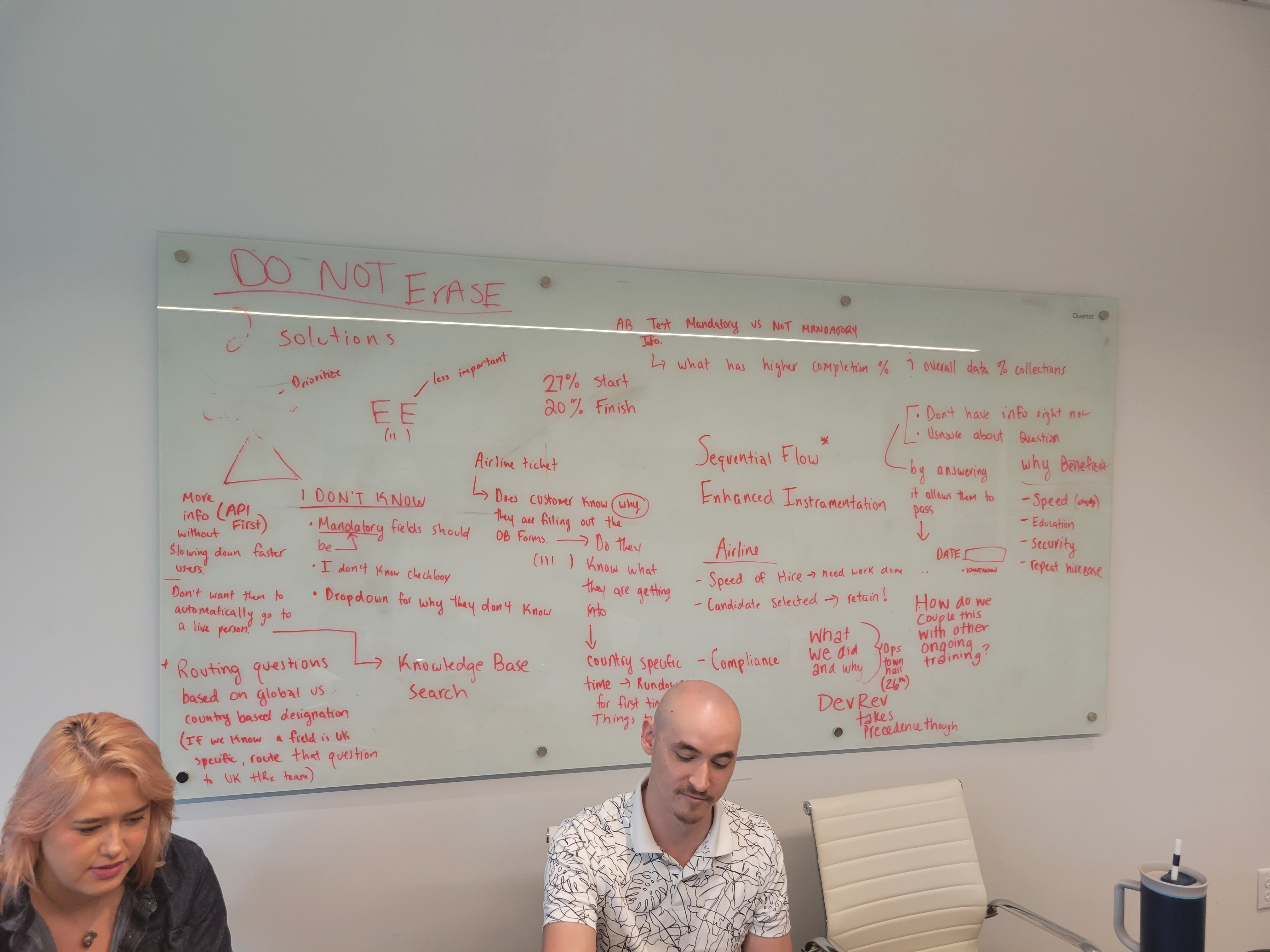
The first day of our workshop, planned and lead by our Product Manager and by me as a Design Sprint SME, consisted of presenting the foundational research performed by the UX Research team (including Personas and a sign-in Journey Map), running some classic Ideation exercises (Doodle Boot Up, Crazy 8's, Solution Sketch, and Art Gallery. We also synced up to clarify the product vision, make sure we were all aligned on the problems, and begin to accelerate our decision-making.
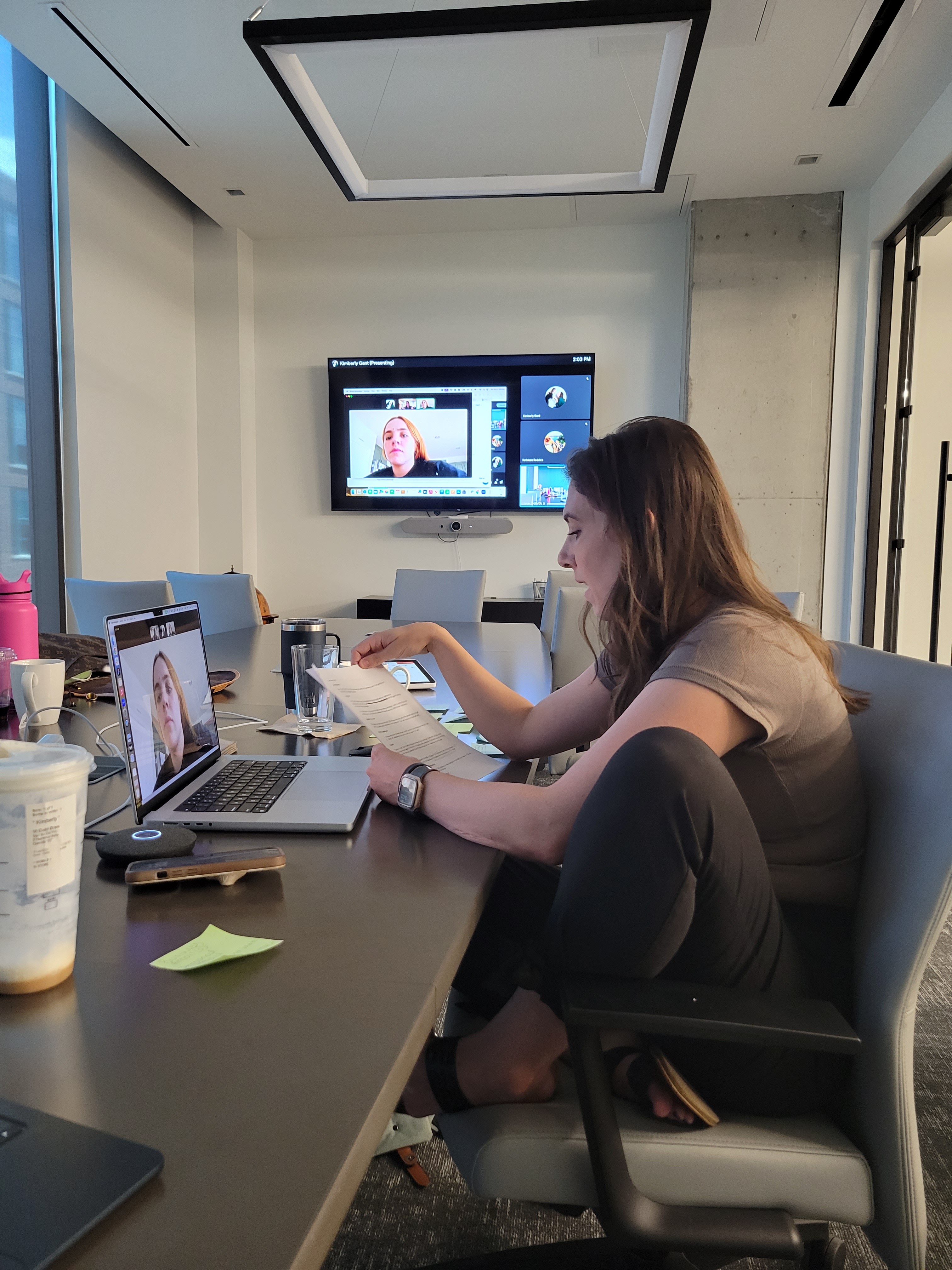
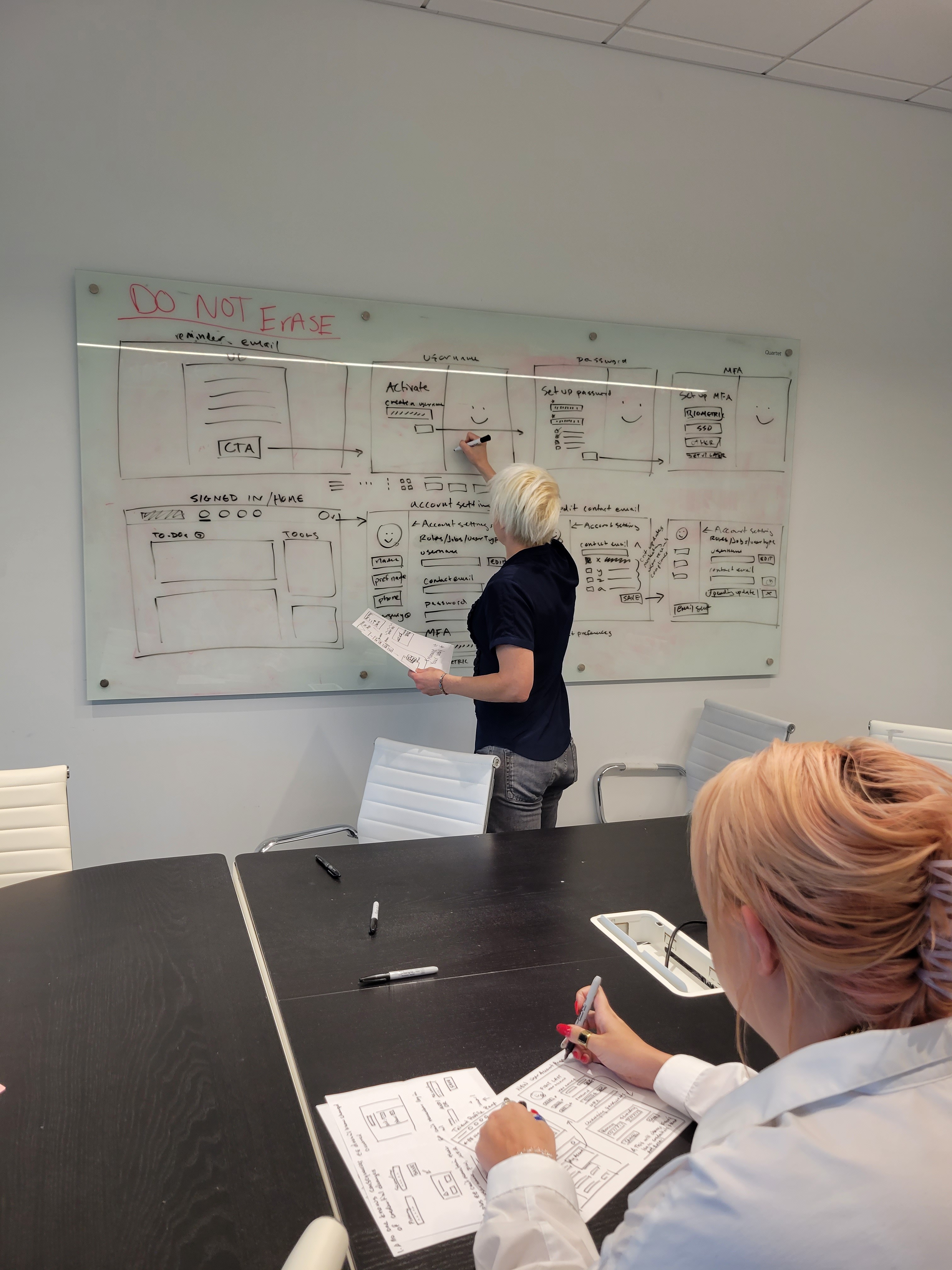
On the second day I completed the prototype and user test script based on the storyboard and ran or supported 6 prototype tests with real users or user analogs!
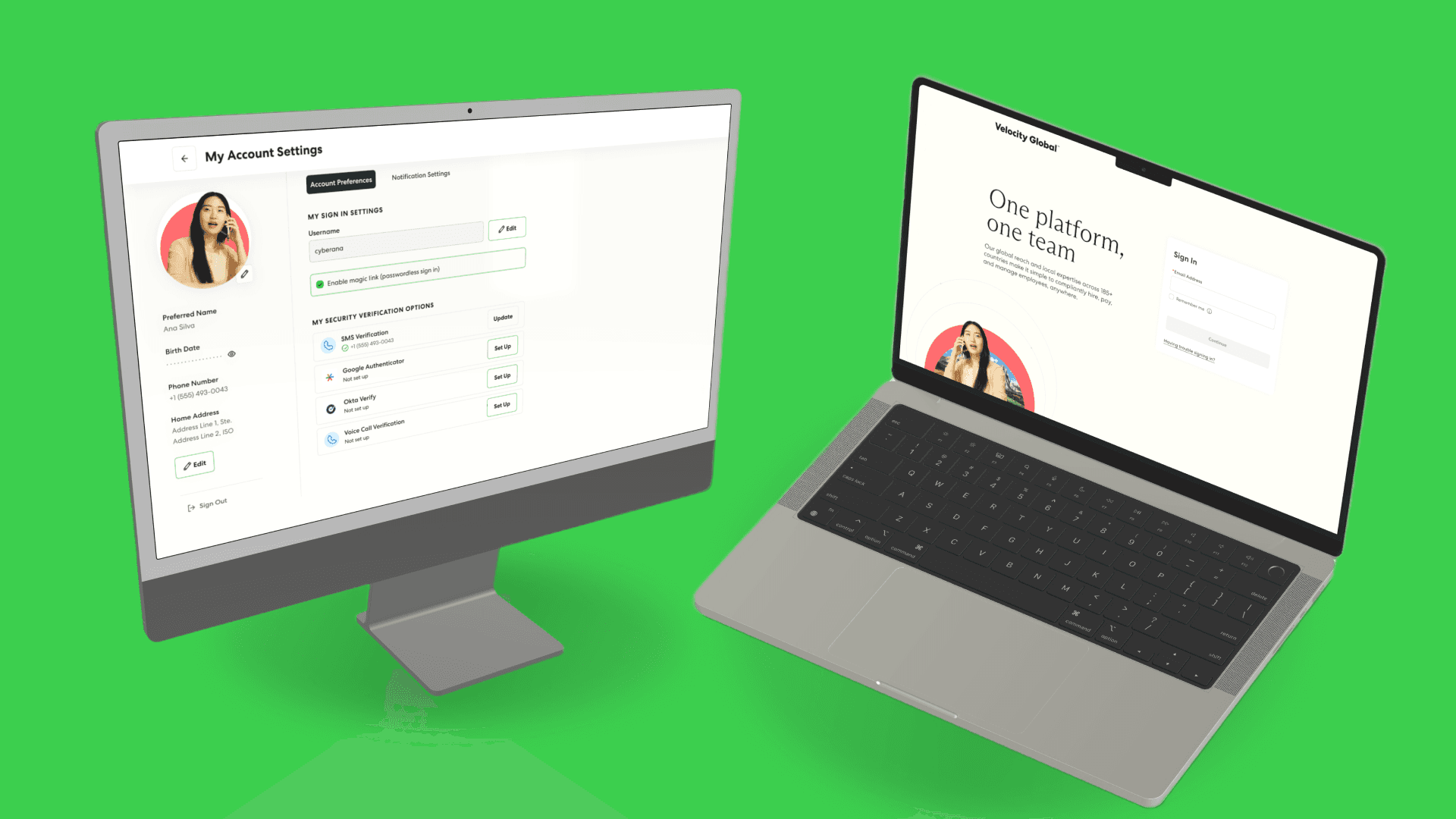
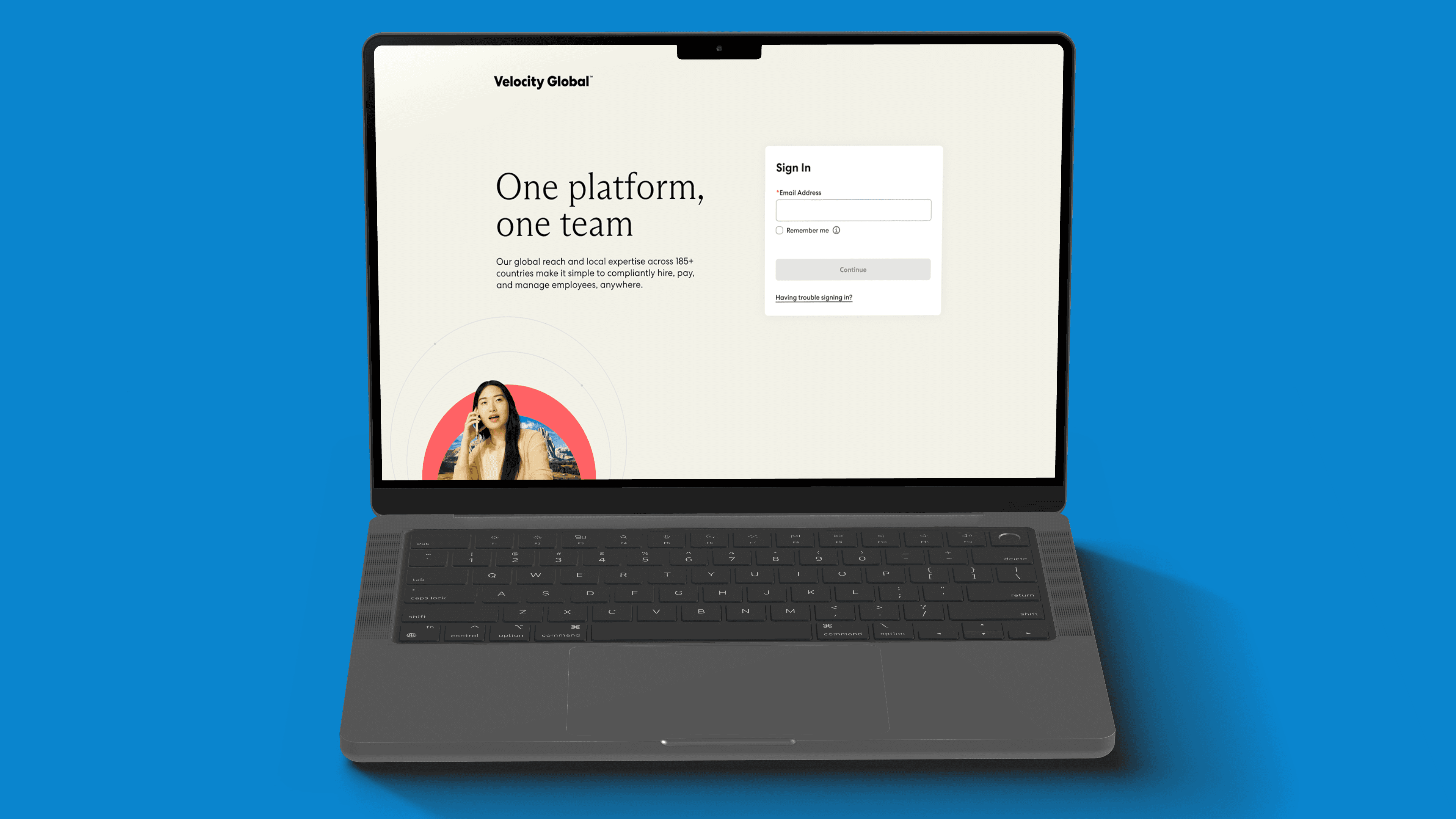
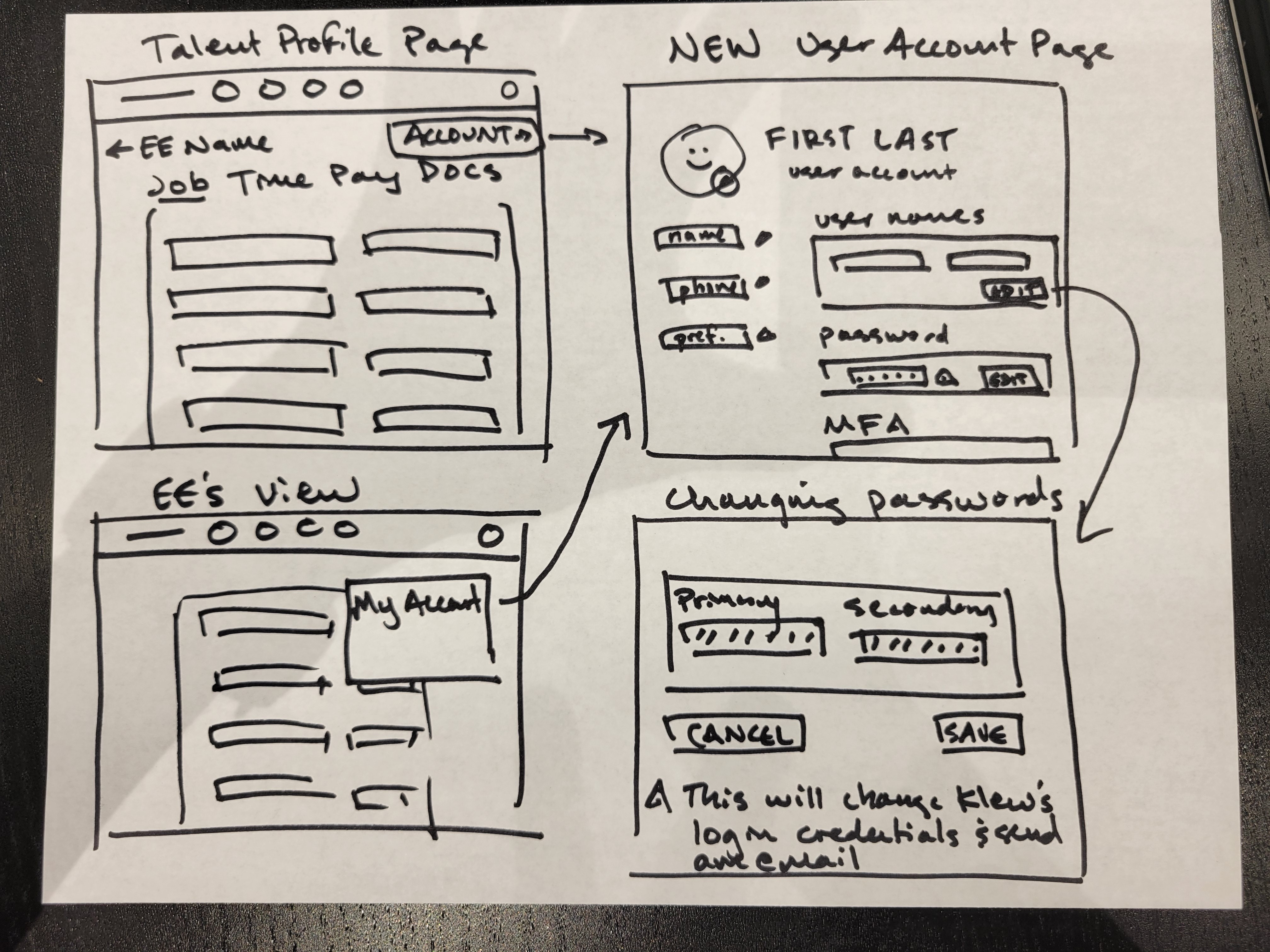
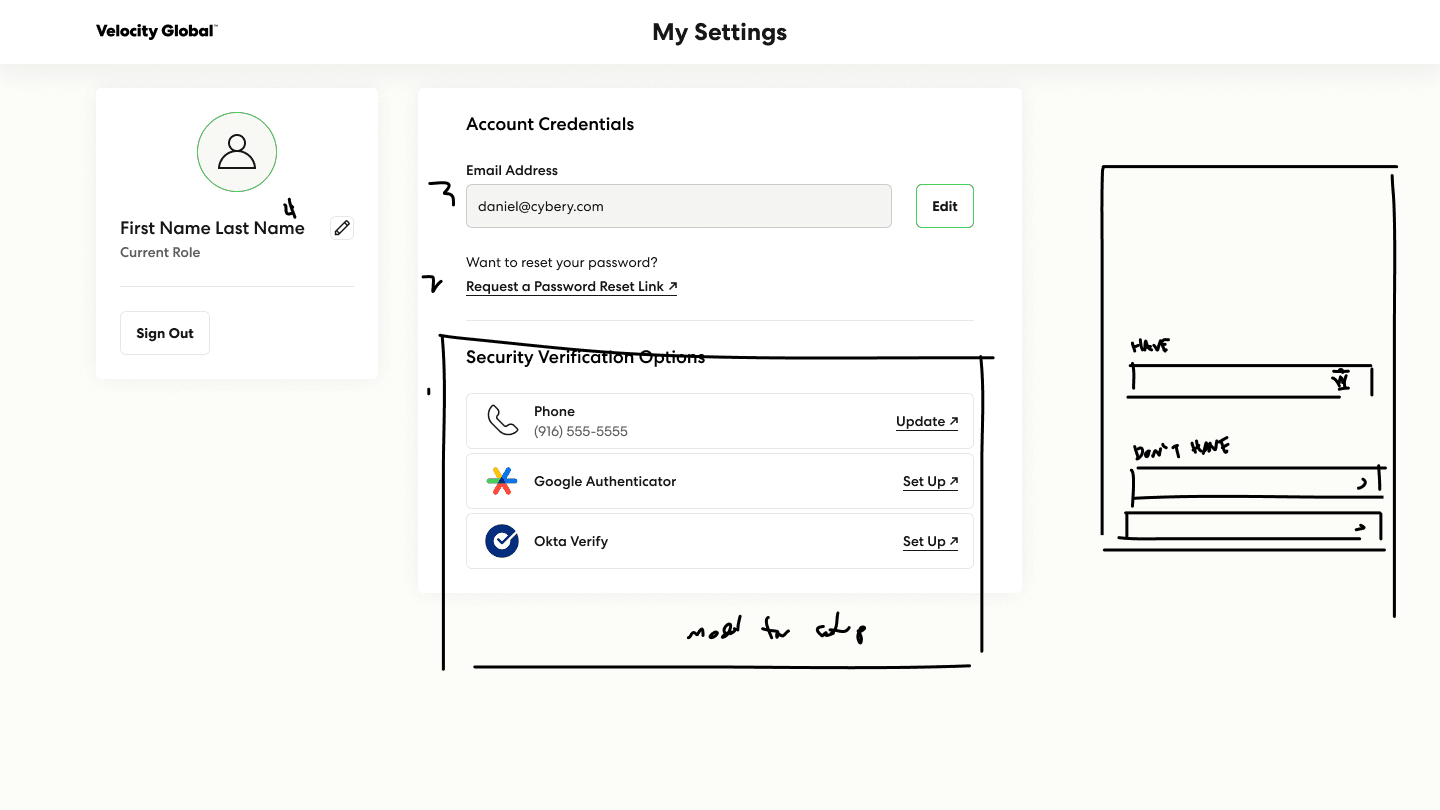
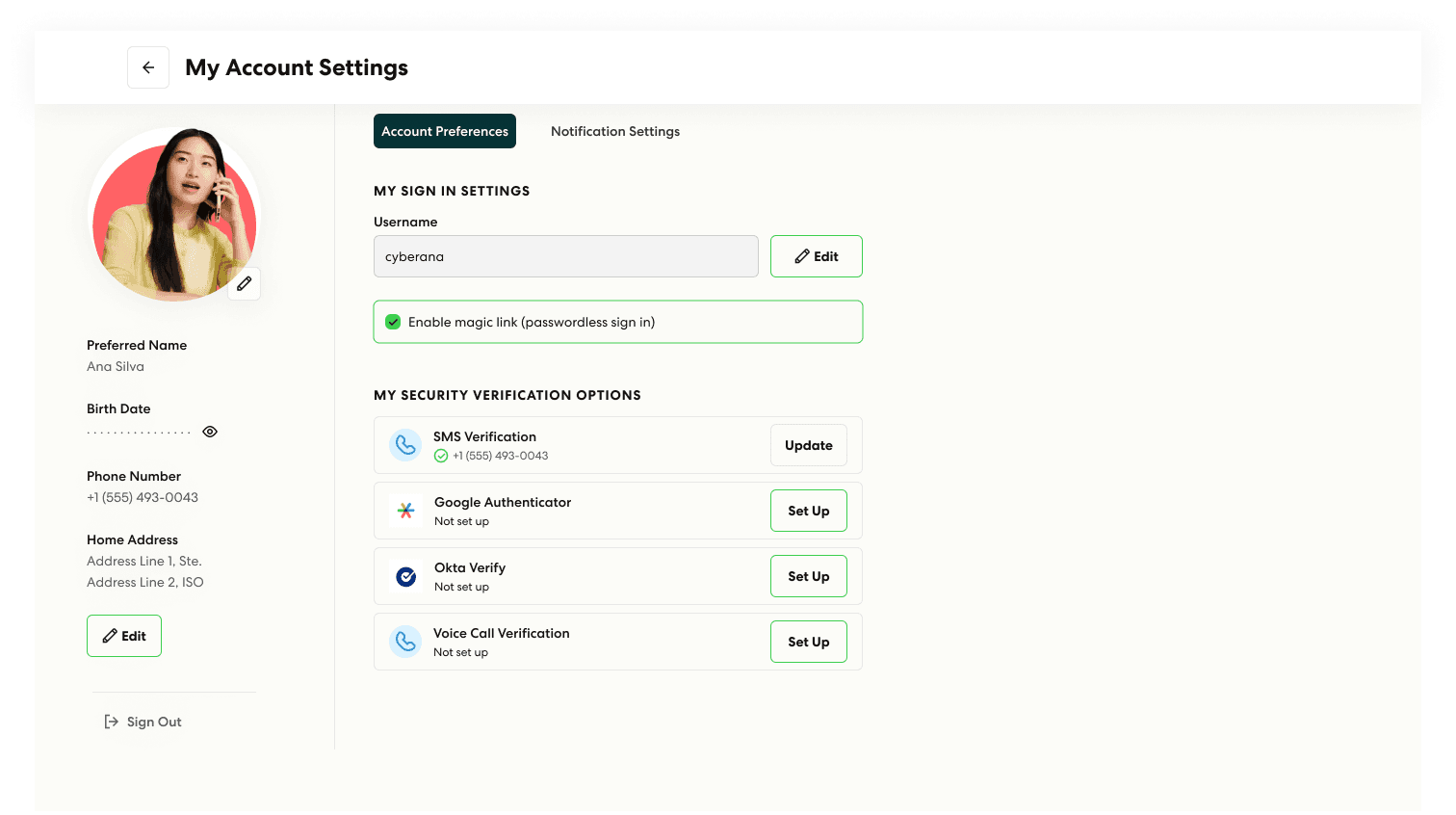
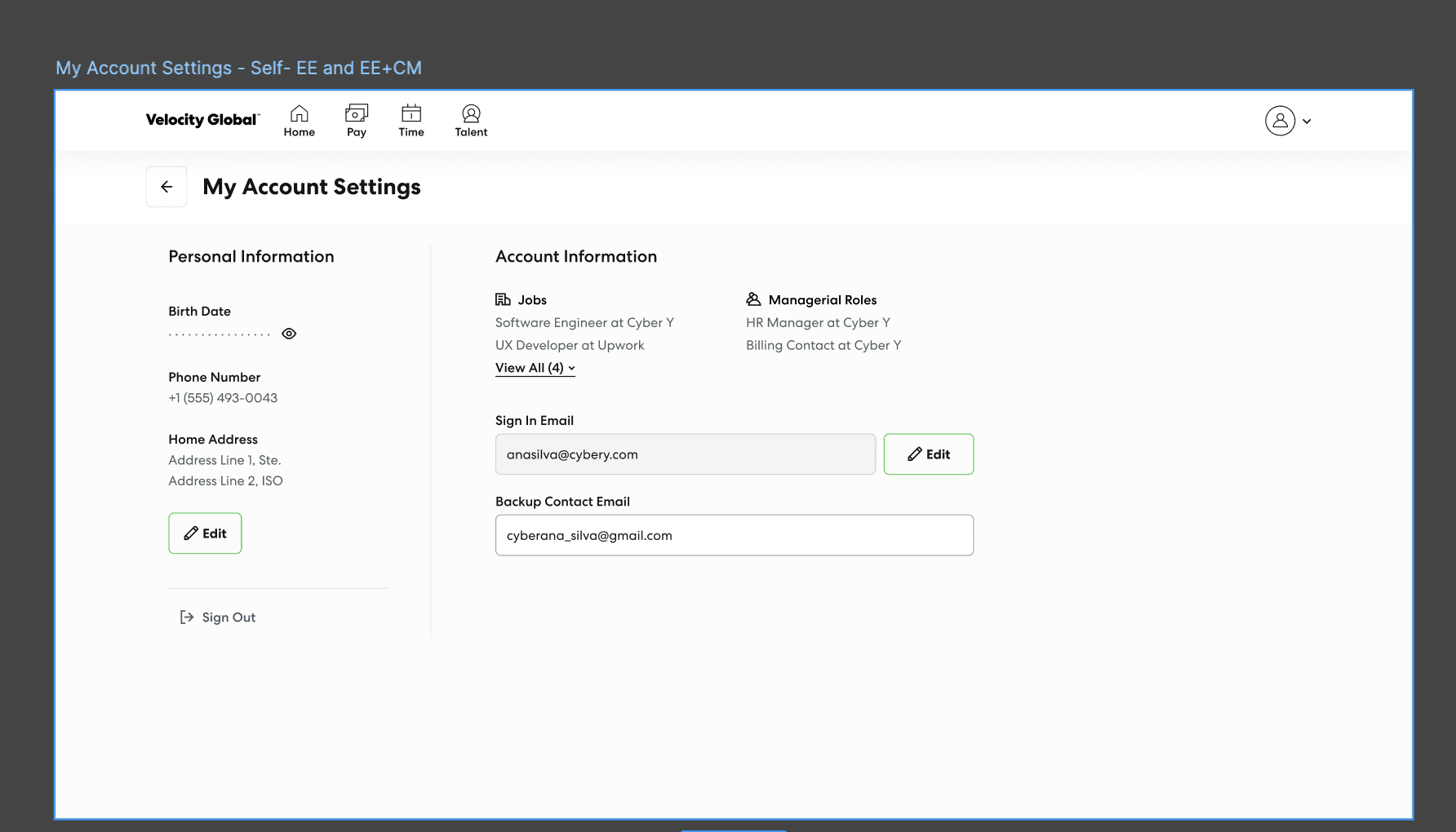
The prototype we tested explored a very polished and accelerated sign-in workflow and an account settings page where users could manager their user name, password, and MFA methods - something we've never had!
The Making Part
During our VERY compressed and intense 2-day workshop, I created a set of mockups and an interactive prototype test in Figma; I also co-wrote our test script with Product and Product Ops. We focused on features that we hypothesized, based on our foundation research, Personas, and sign-in Journey Map would be the highest-value for:
General usability and error reduction
Error recovery
Parity with competitor systems
Scalability towards our multi-Company/Company Hierarchy end-state architecture
…which lead us to focus on sign-in workflow clarity, a unified "Get Help" experience, and account settings.
Our Iterations
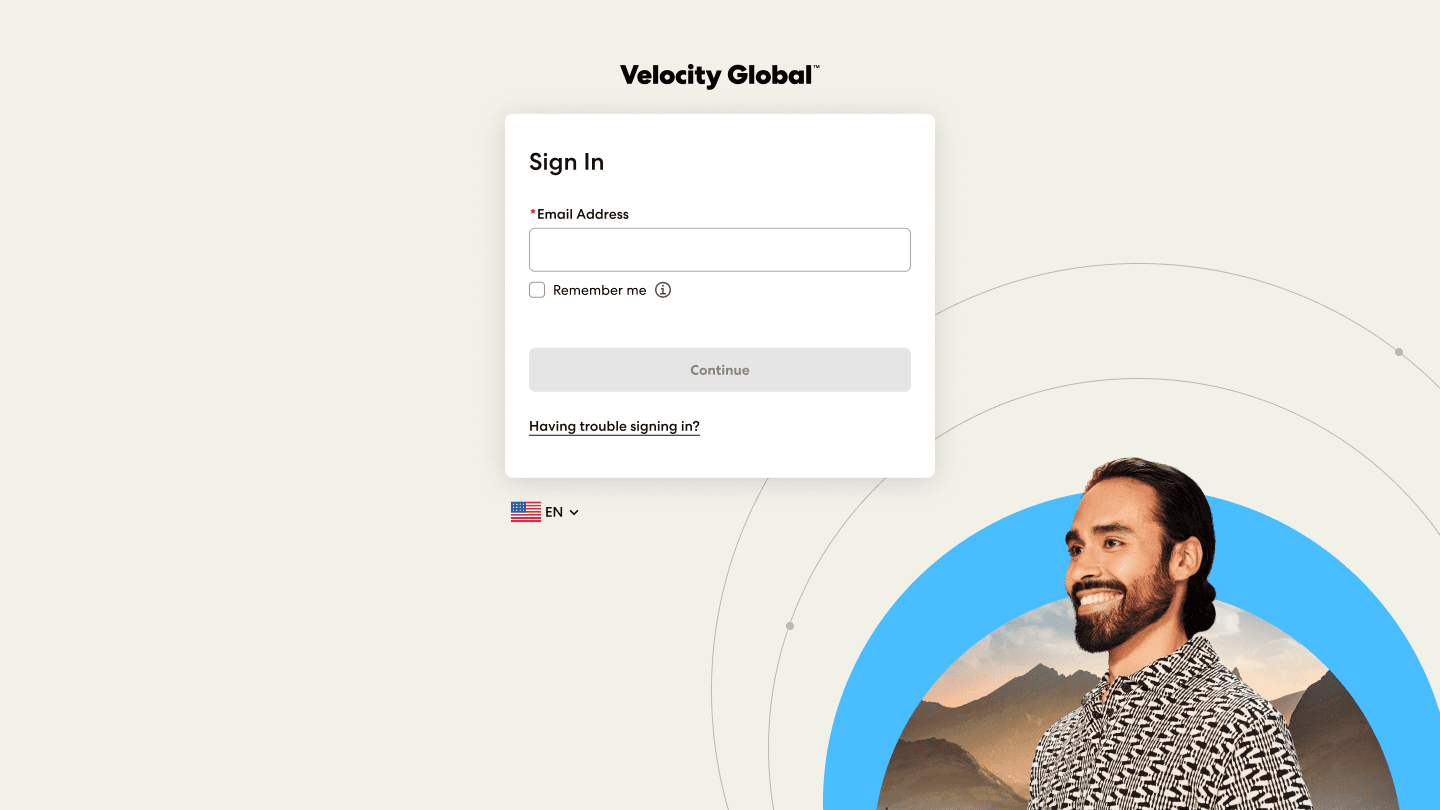
During the workshop we tested improved sign in UX and Account Settings
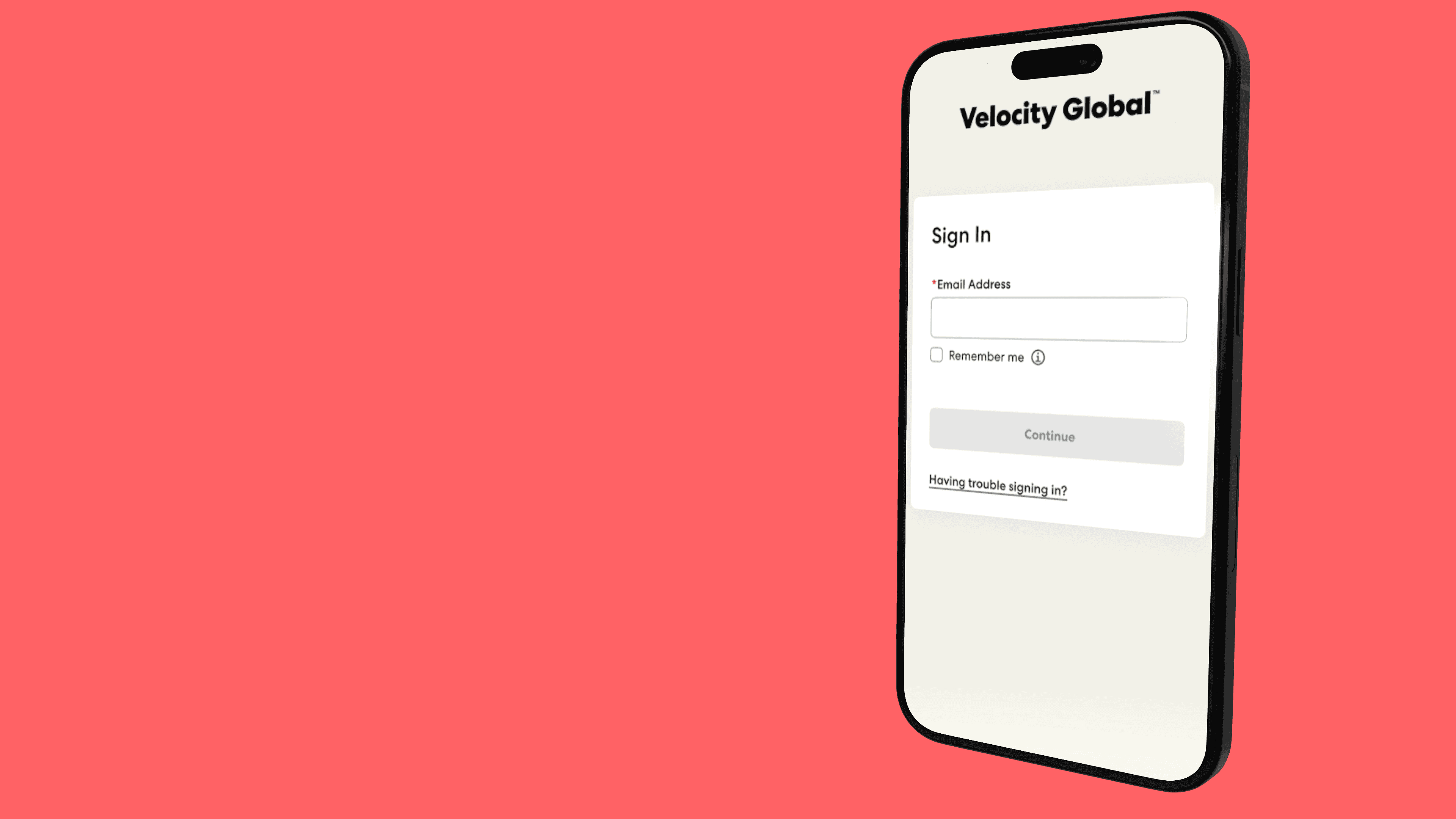
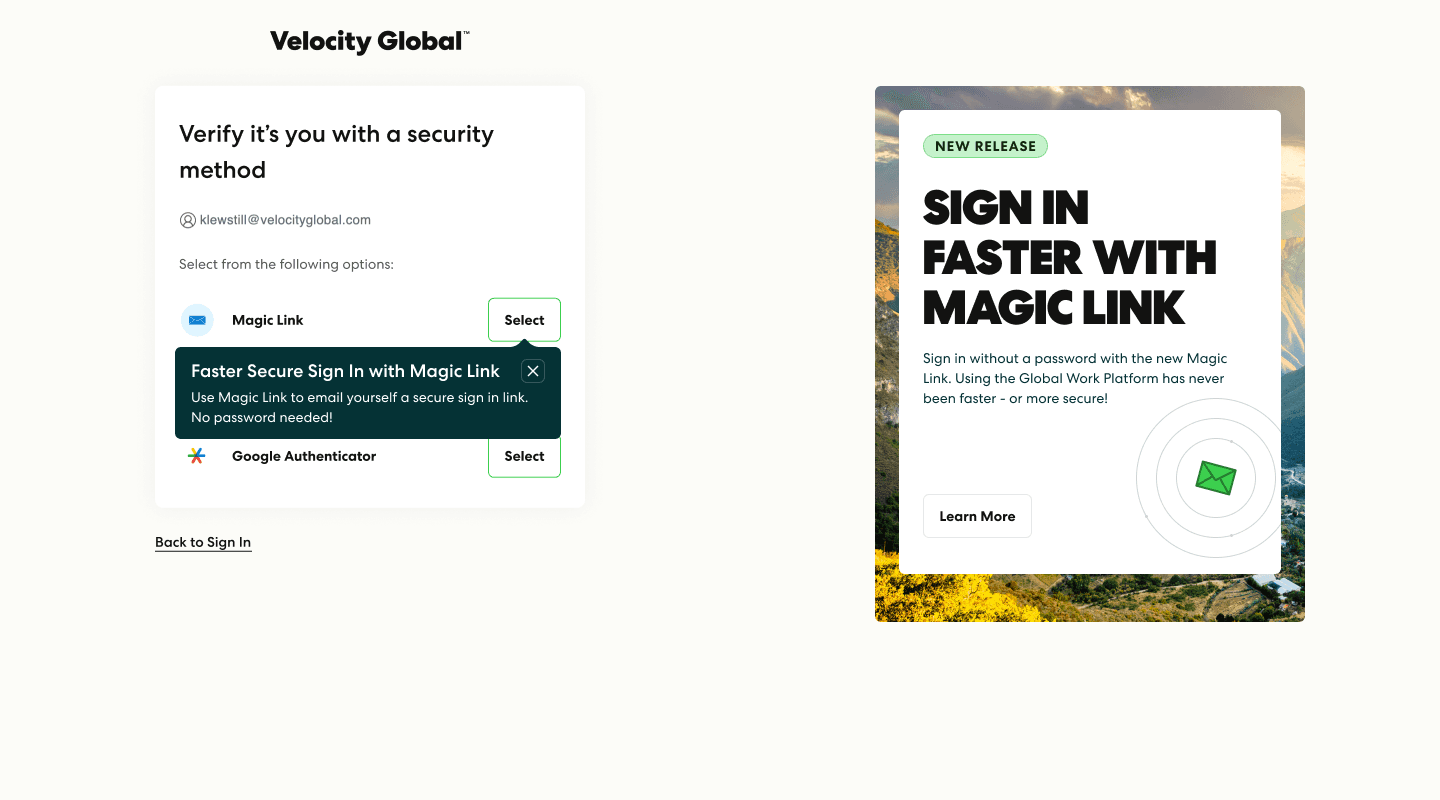
For our second iteration we focused on Magic Link sign in to reduce errors
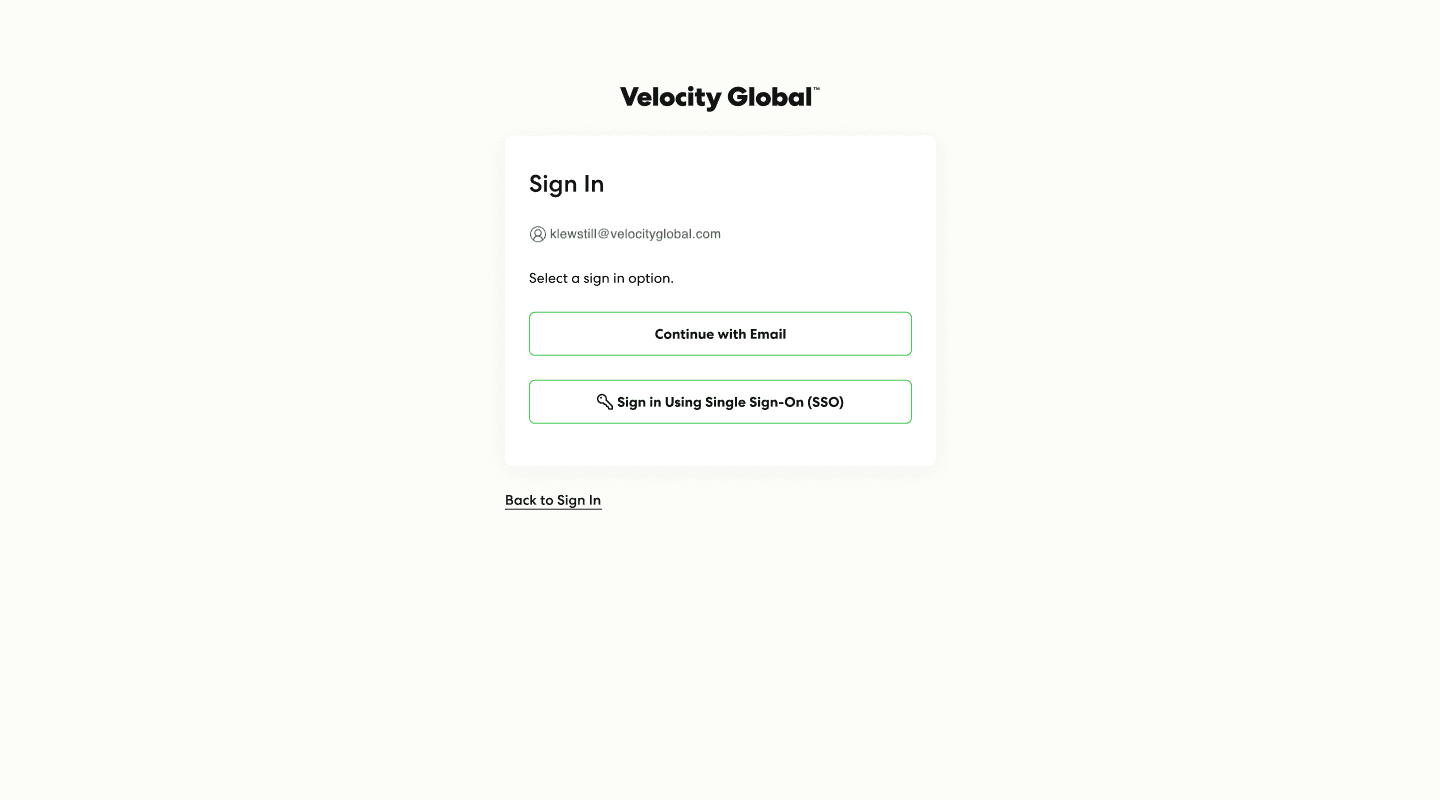
Our current (third) iteration is Single-Sign On (SSO)! We will also tackle UI polish.
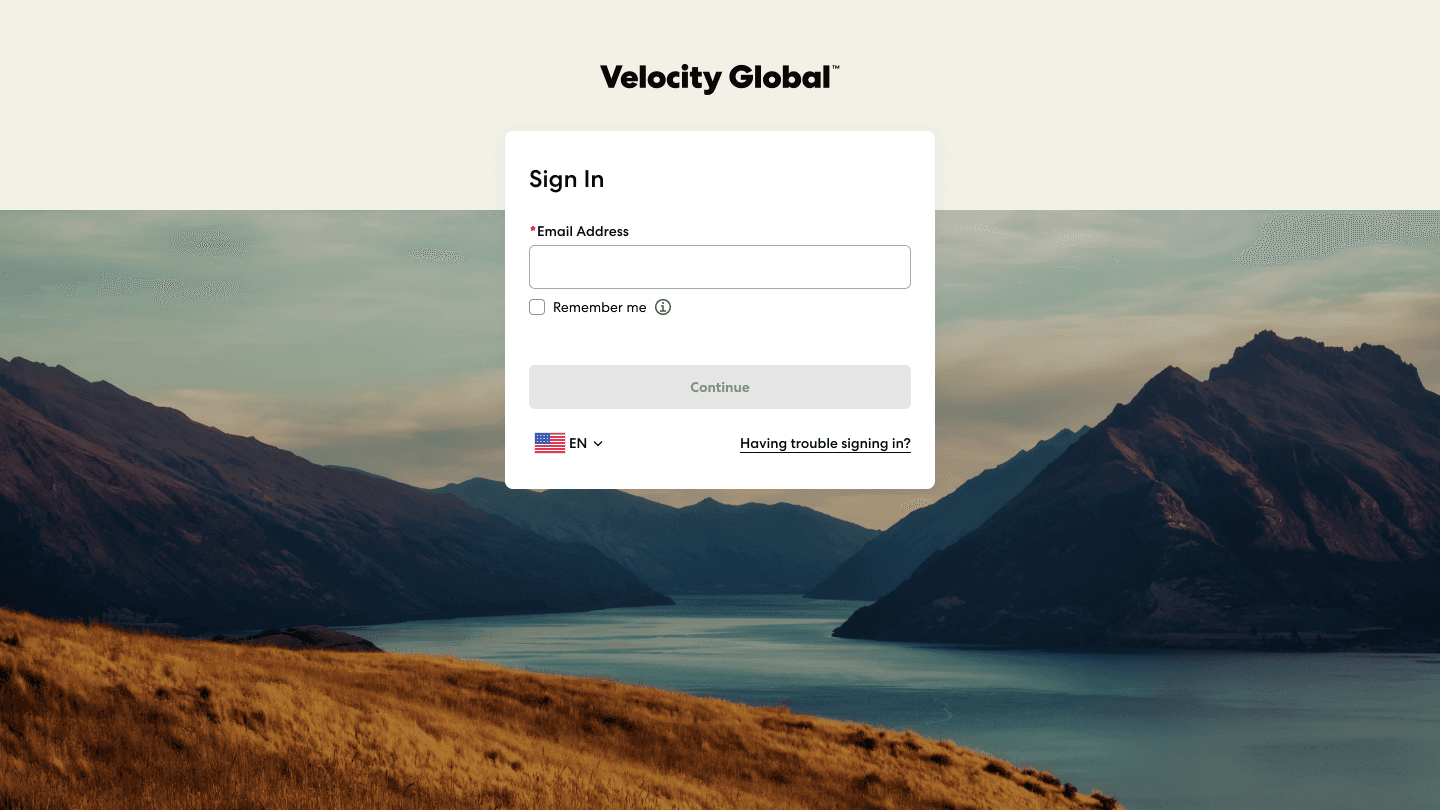
Prototype Testing
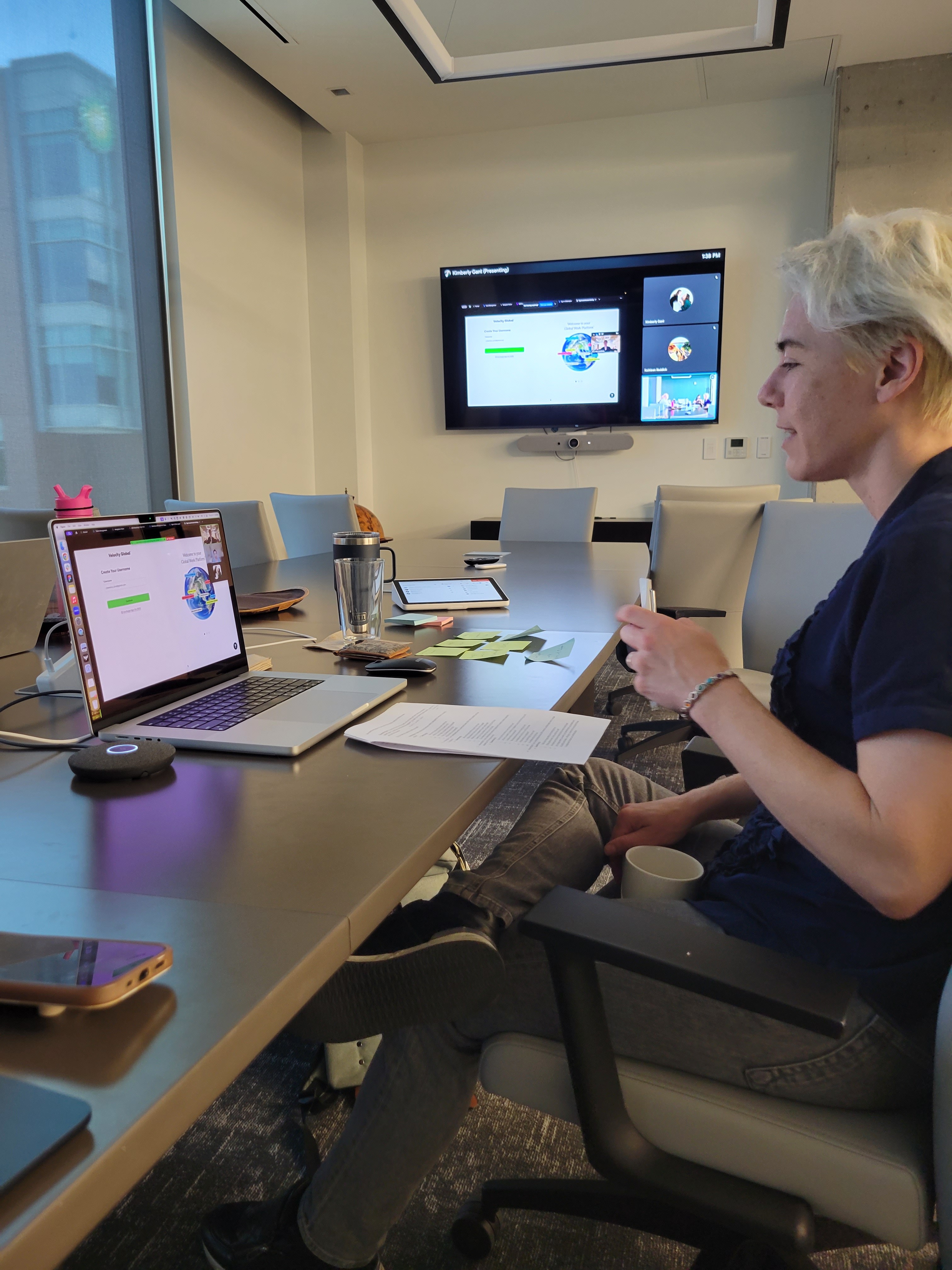
We tested our prototype with 5 users and user analogs on the final day of our workshop and one extra key stakeholder, our new CPO, two days later with a "1.5" iteration of the prototype.
We found that the smoother sign in experience was absolutely the way to go, but Account Settings had more limited value. It turned out it was all about that initial sign in funnel, and we were better focusing on that for our first iteration!
Iterative Refinement
Because we partner with Okta to delivery a secure, consistent sign-in experience, our ability to customize our UI is limited.
For our first iteration, we focused on UX improvements and a new, unified Get Help Signing in experience that would handle any error a user encountered no matter what it was, even if they didn't have a valid account with us.
The second iteration was Magic Link, after we realized that the vast majority of sign-in issues were incorrect passwords, NOT issues with MFA. This revealed that a passwordless sign in was going to be way more impactful than Account Settings - and it ended up being huge.
For our third pass, we are focusing on Sign Sign-On (SSO) for sales enablement focusing on key Enterprise customers and prospects, and we are planning to complete the new UI look in our next hackathon.
Launch and Beyond
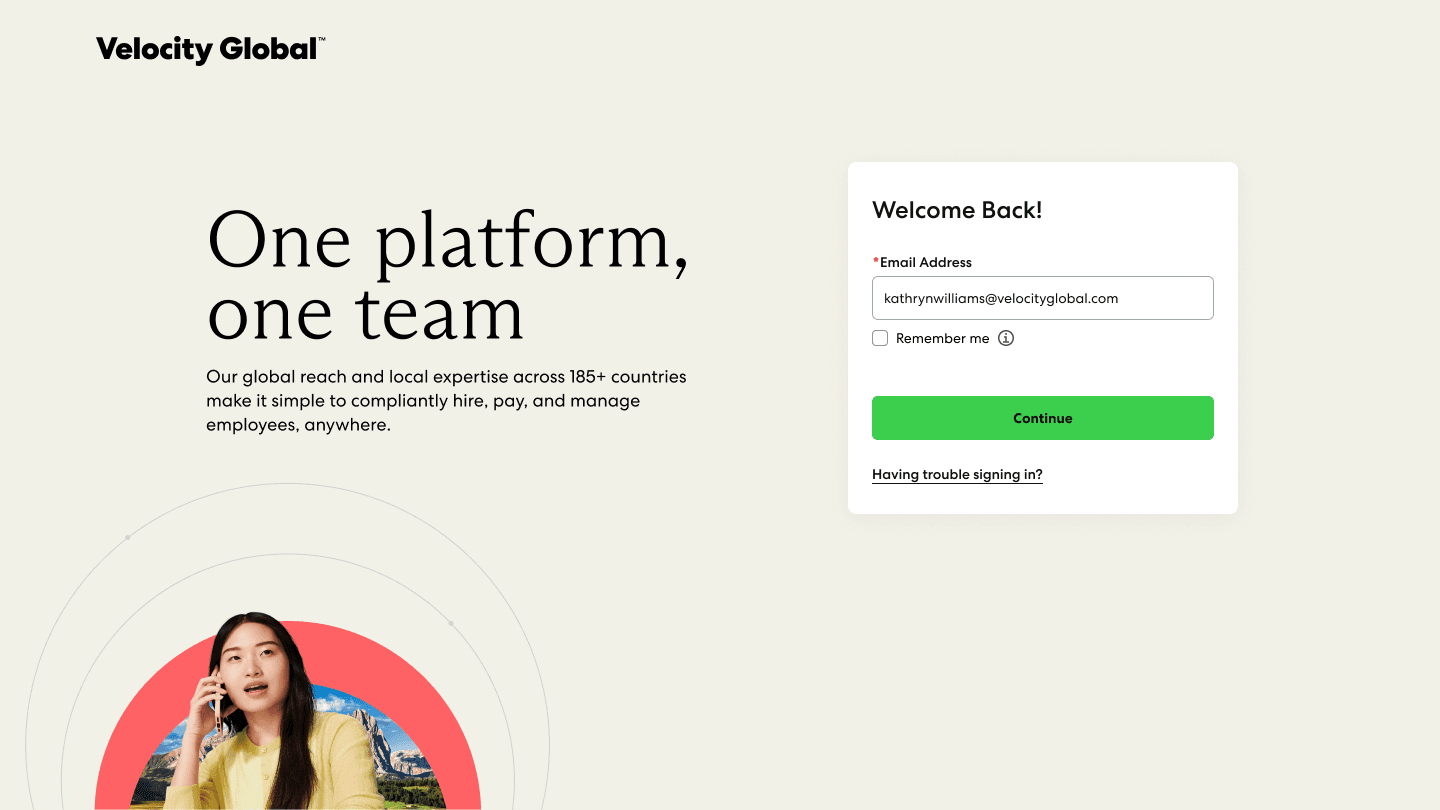
We launched iteration 1 on April 16, 2024, and iteration 2 on January 31st, 2025. We're currently active on development for iteration 3 for Single Sign On (SSO) and we plan to introduce the refresh landing UI in our next hackathon!
Measuring Our Success
This project had a huge impact on our user base's sign in experience:
42% reduction in sign in failure rate over 2 weeks following the release of Magic Link
51% reduction in support tickets on sign-in issues between June and Sept 2024, as we continued to improve the experience between iterations 1 and 2
What I Would Do Differently
The workshop was impactful, but 2 days wasn't optimal for deep product discovery. Here are small tweaks I would make in the future:
Focus on the biggest problem first: If we had focused just on the most compelling, 'no-brainer' data - our failure rate - we would have had a tighter workshop and more relevant prototype
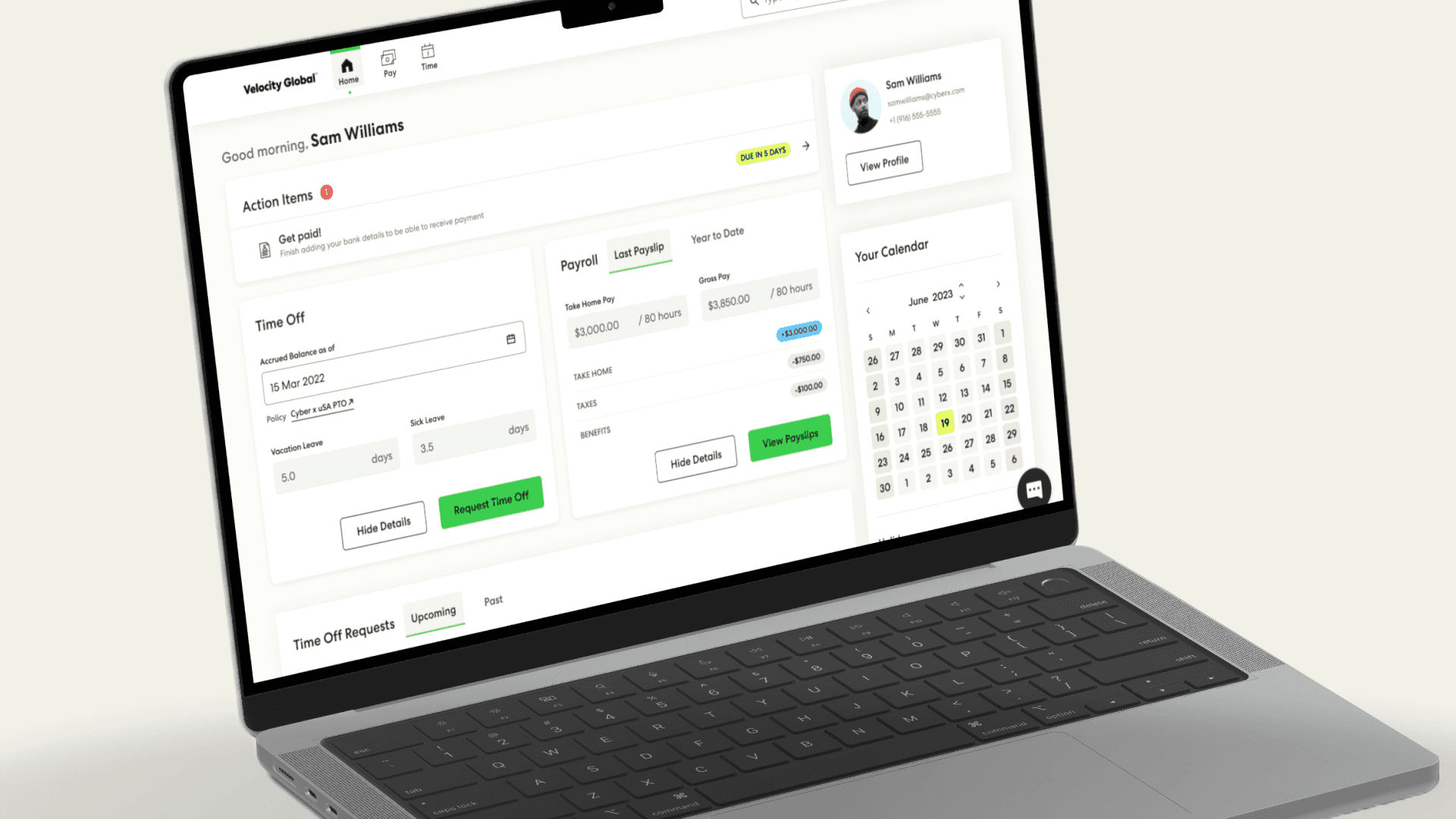
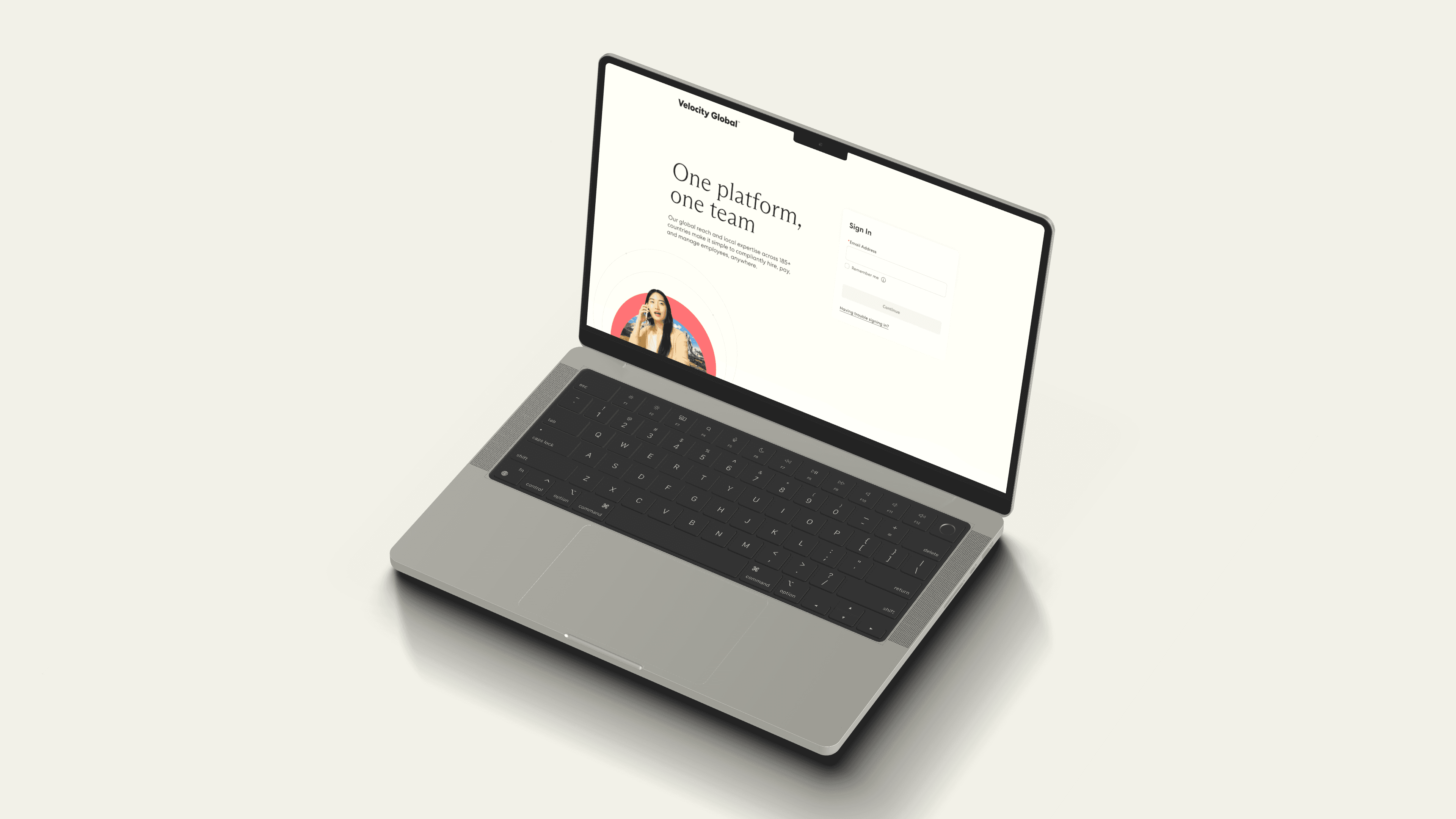
Engage an expert frontend team early on: We were never able to polish the UI to the degree we had hoped (as you see in images above) and had to stick with the more conservative, stodgy UI you see below due to the technical team on the sign-in feature not having FE expertise.
Want a Peek Behind the Curtain?
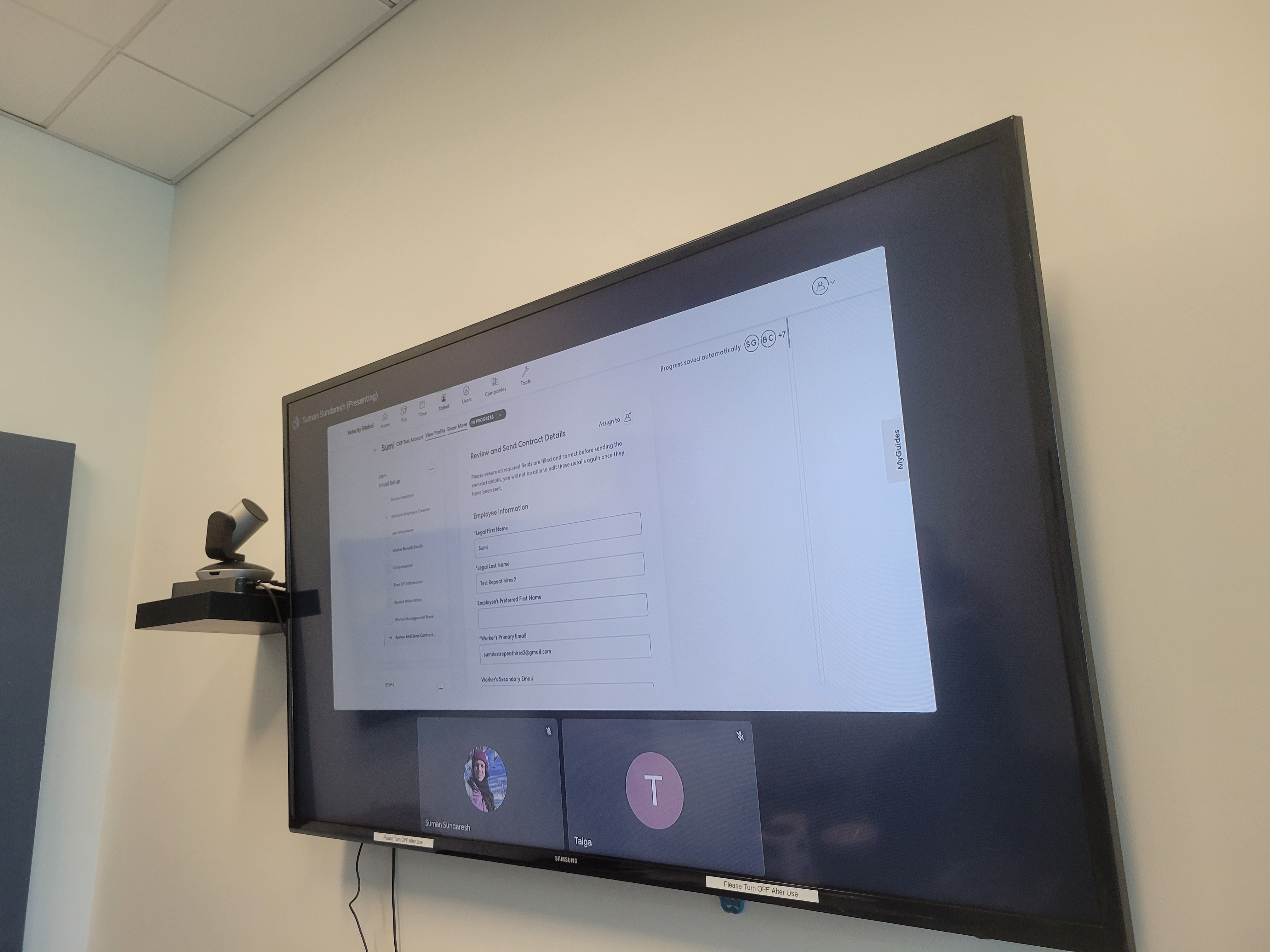
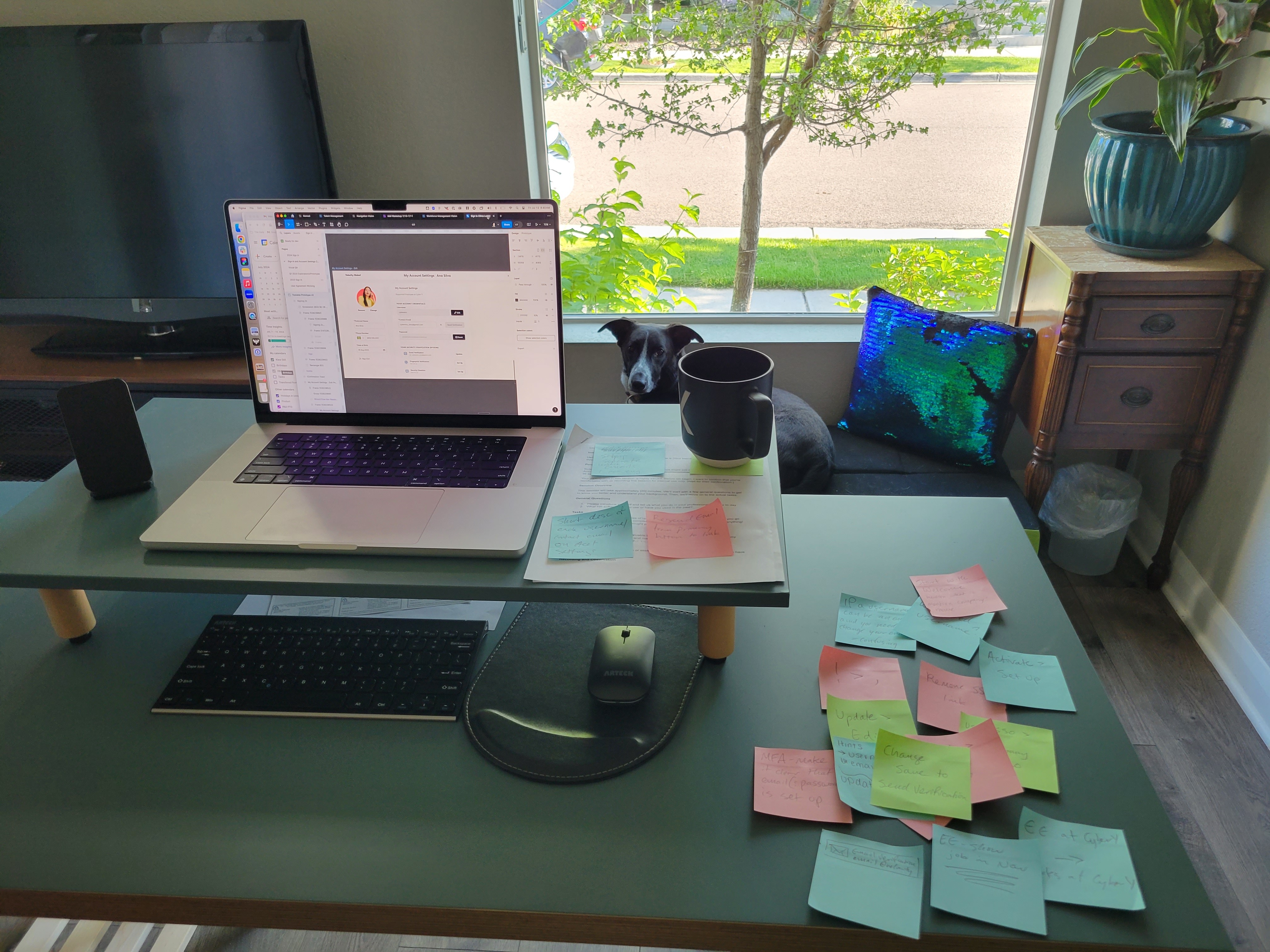
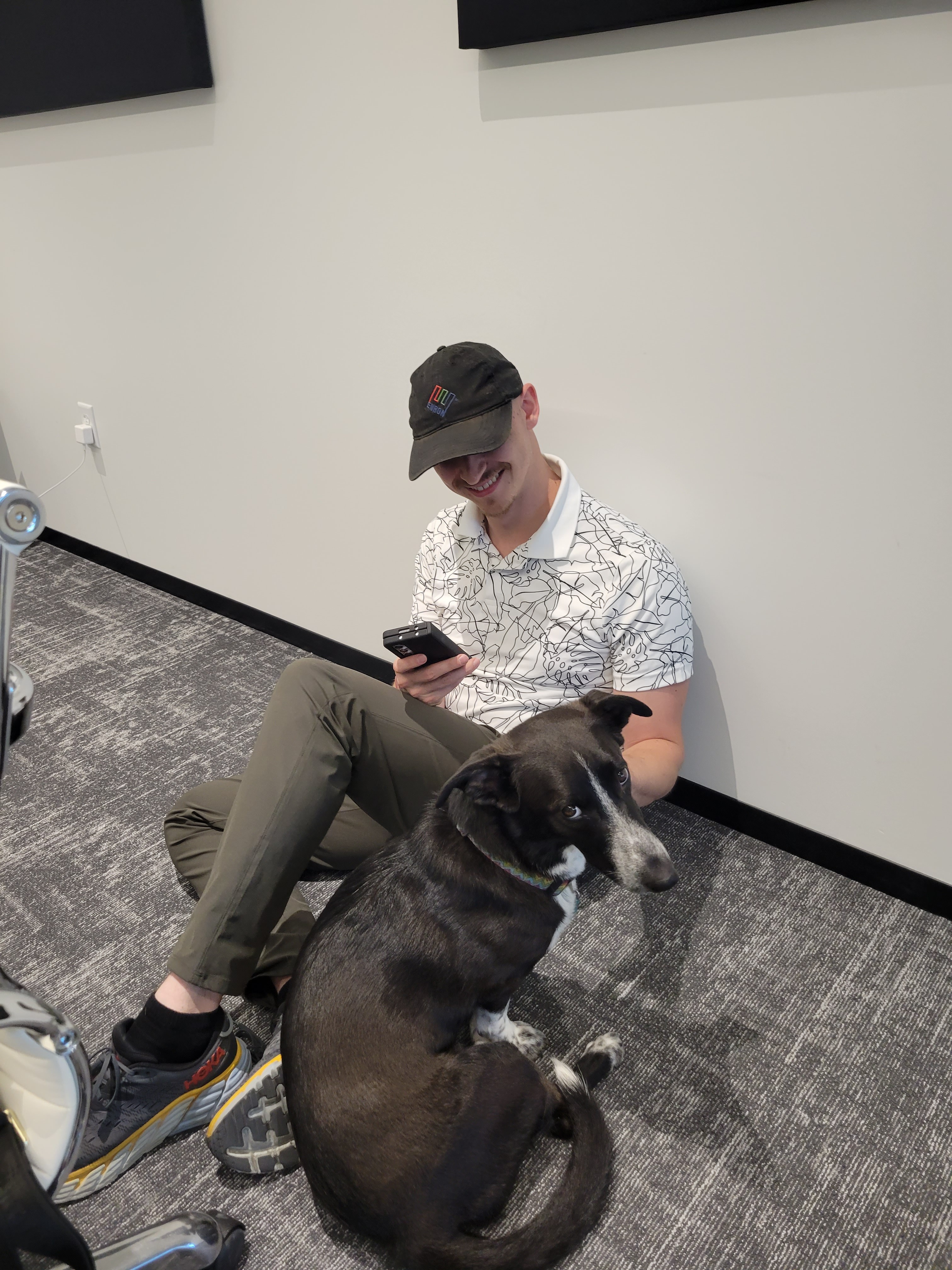
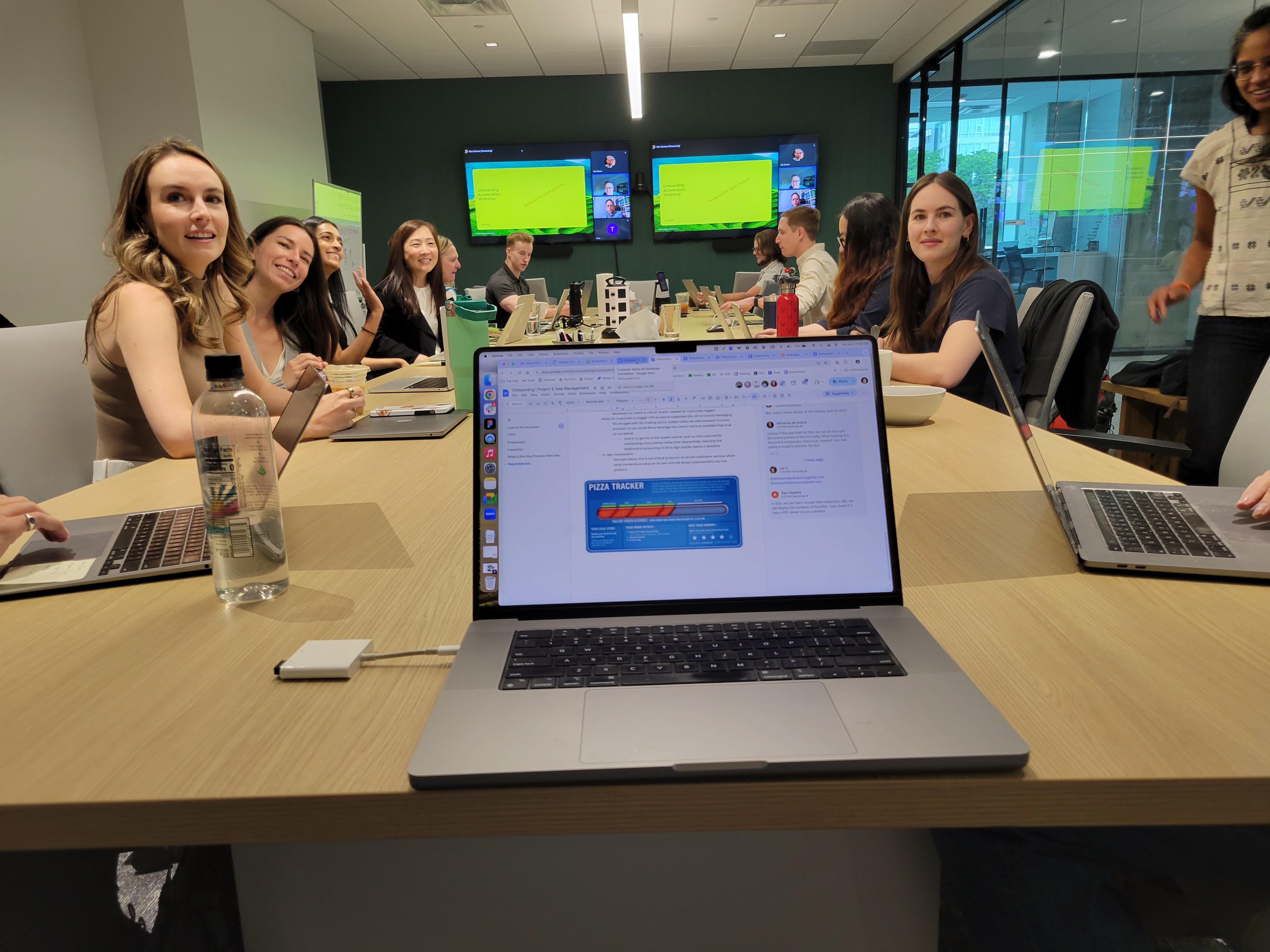
Outtakes from our intense 2-day workshop…and the next day's glut of sticky notes!