Enter password to view this page
Project Overview
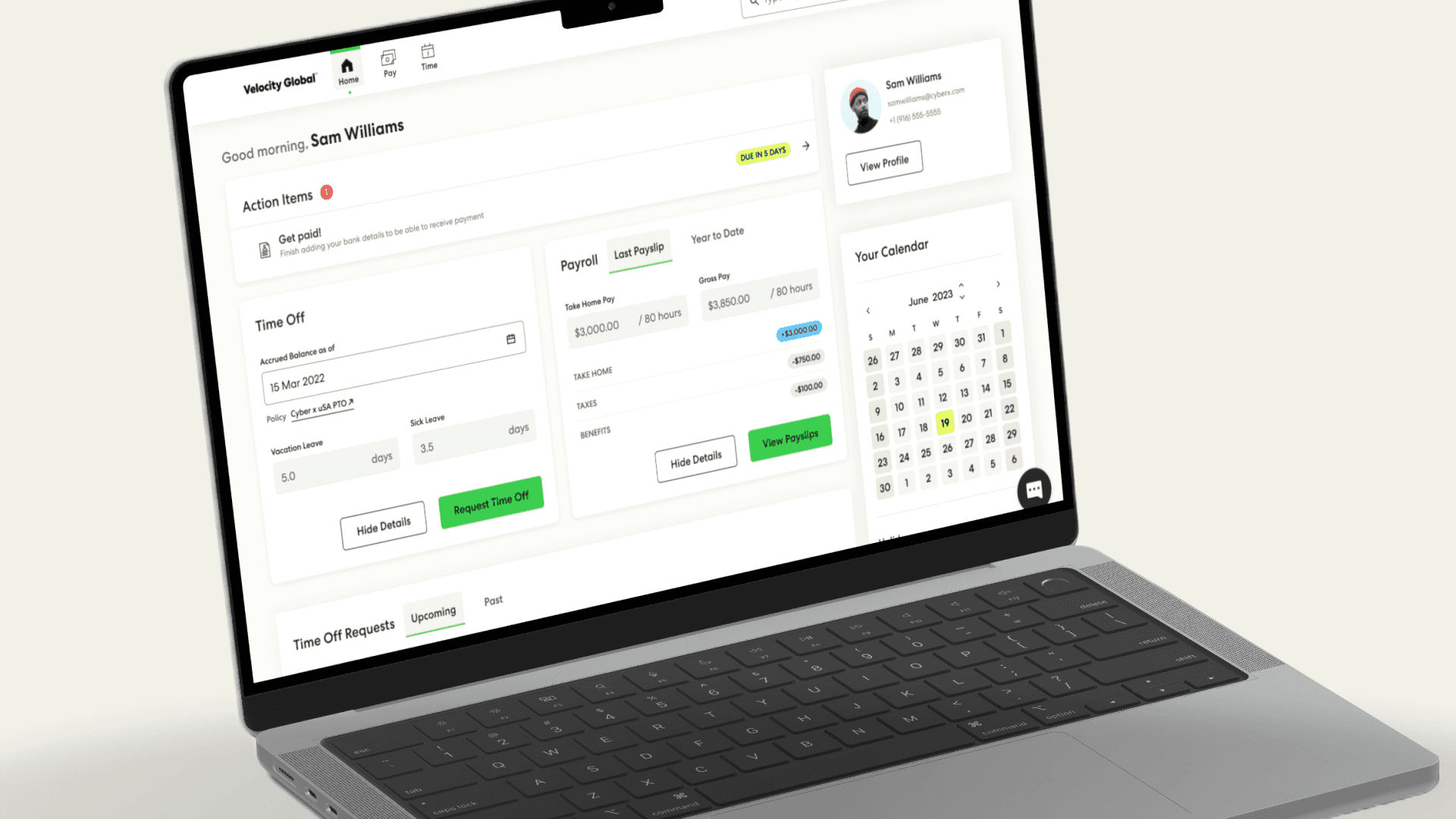
Our Challenge: Build a brand new web app to support the entire business in 135 countries with 3000+ supported users for day one and features for HR Documents, Data, Hiring, Firing, Time Off, Payroll, and Training - and do it to a precise deadline with no downtime.
My Role: Lead (and sole) UX and UI designer and UX researcher; ersatz PM and lead QA!
Our Solution and Strategy: Managers inside and outside of our organization had very similar user stories- so we chose one web app for all our personas. The project had an extraordinary scope - so we moved iterated designing only from a fully Atomic design system. The core business work of searching, viewing, and editing HR data was paramount - so, we relied heavily on data lists for our alpha stage and began to enrich those views over time.
See the Global Work Platform Trailer
Outcomes
Users increased from 0 to 6,500 MAUs
Software launched in 135 countries
Customer technology NPS increased from 3 to 3.73
Software usability rating increased from 3.11 to 3.87
Managed Onboarding redesign to increase self-service rate to 99%
Discovery
Direct access to external users was controlled, so I relied on internal users and found non-user colleagues to be user proxies. Competitive analysis and best-practices primarily from NNM and Adobe filled in the gaps.
Our Foundational Research
Over 7 months I performing dozens of discovery interviews from Bangalore to Germany and nearly everywhere in between, all completely remote. I performed foundational UX Research including initial stakeholder exploration, competitive analysis, best practices analysis, internal analytics research, and discovery interviews with SMEs and stakeholders. I did this for core features including onboarding, time off, worker management, worker welcome experience, entity transfers, and more.
Ideation
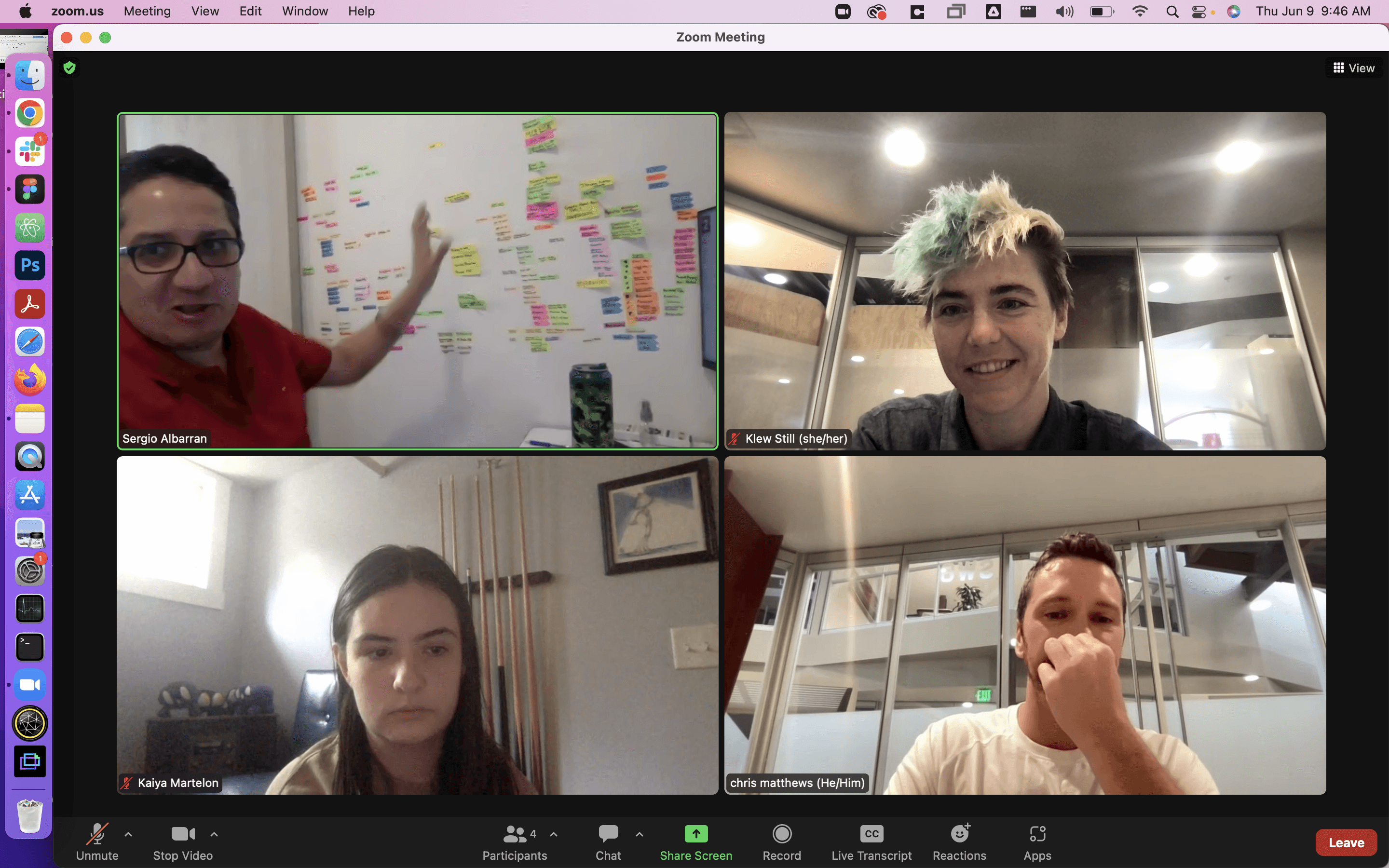
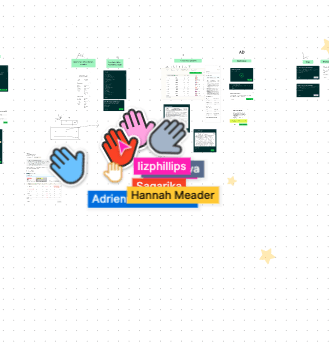
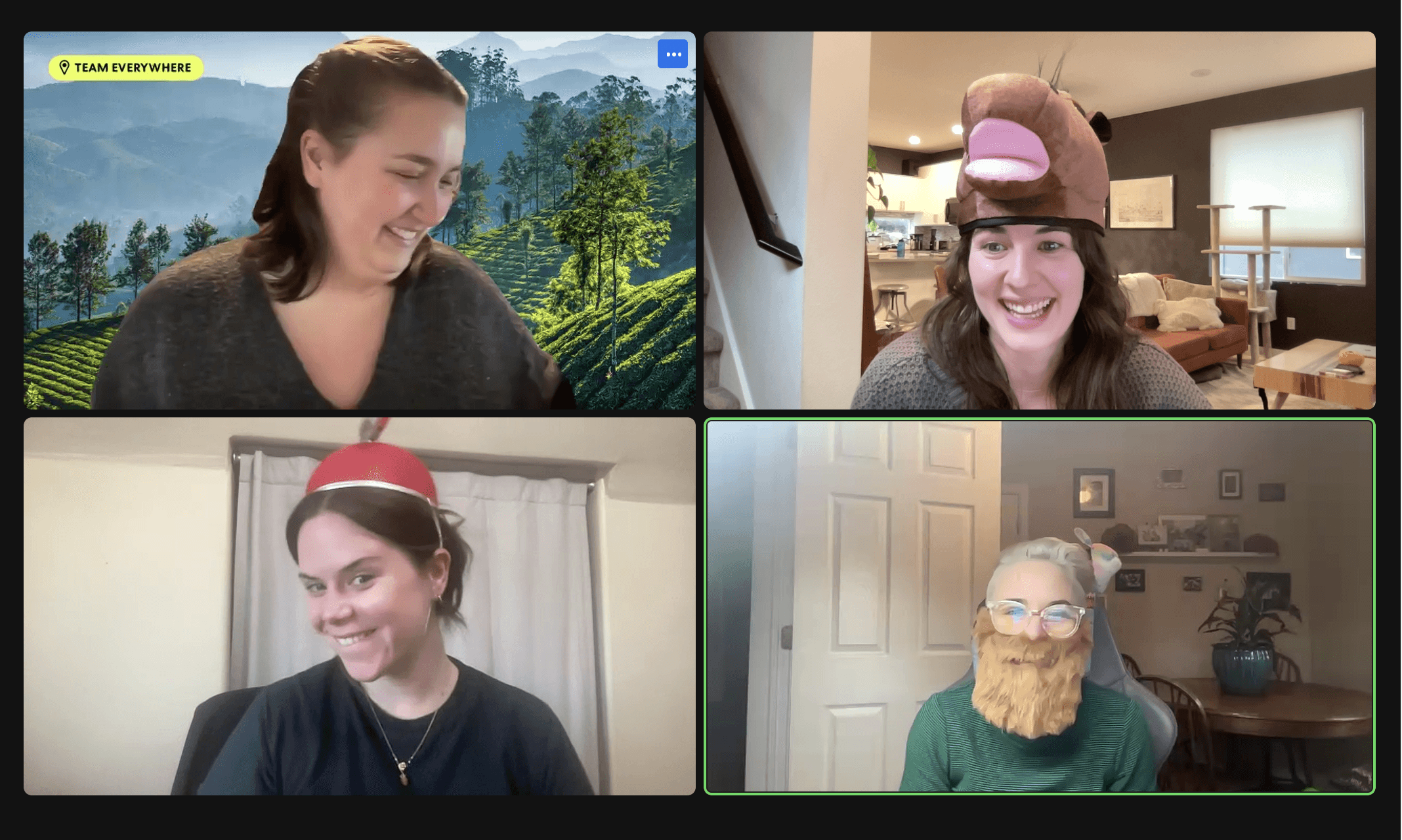
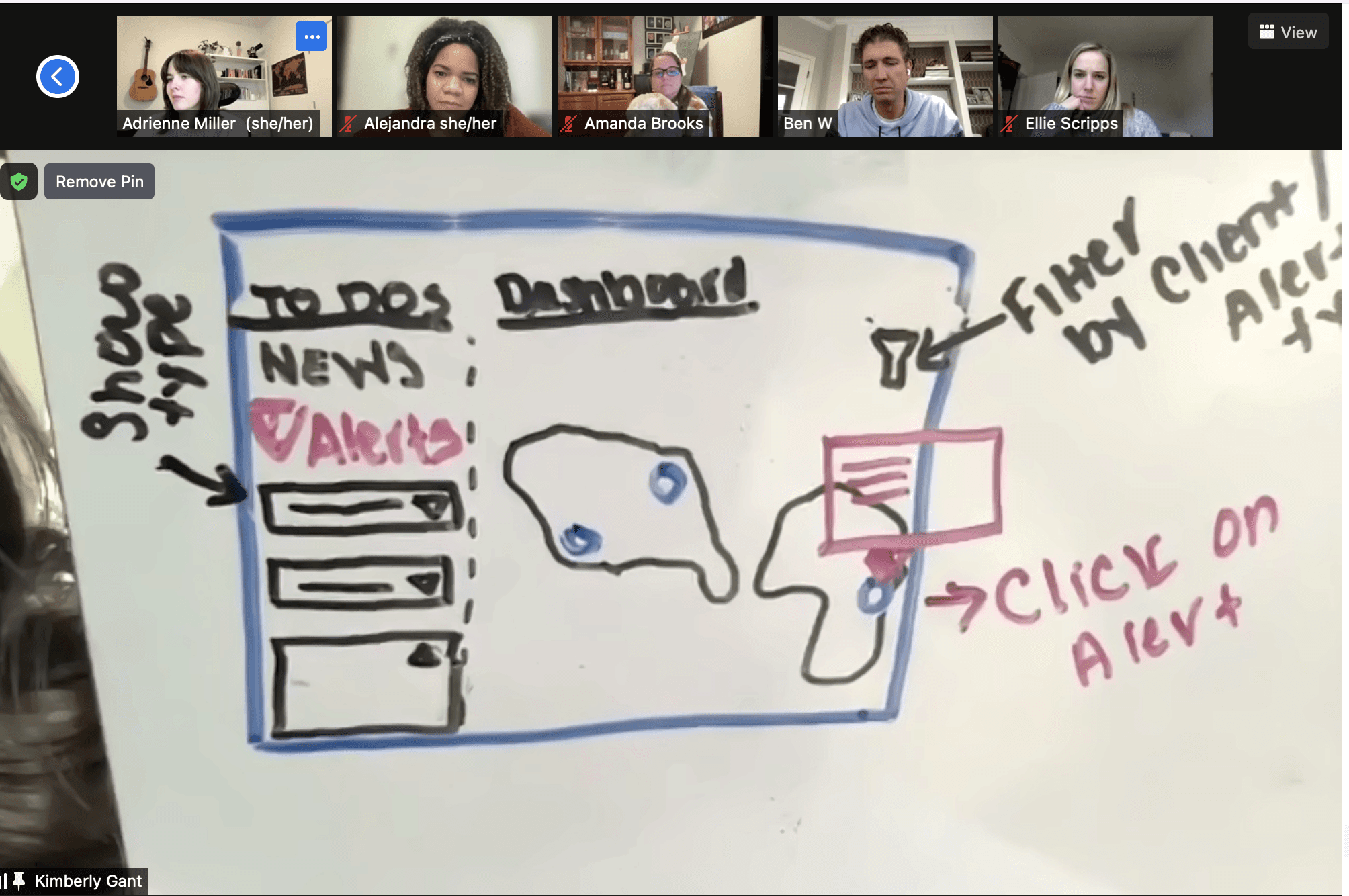
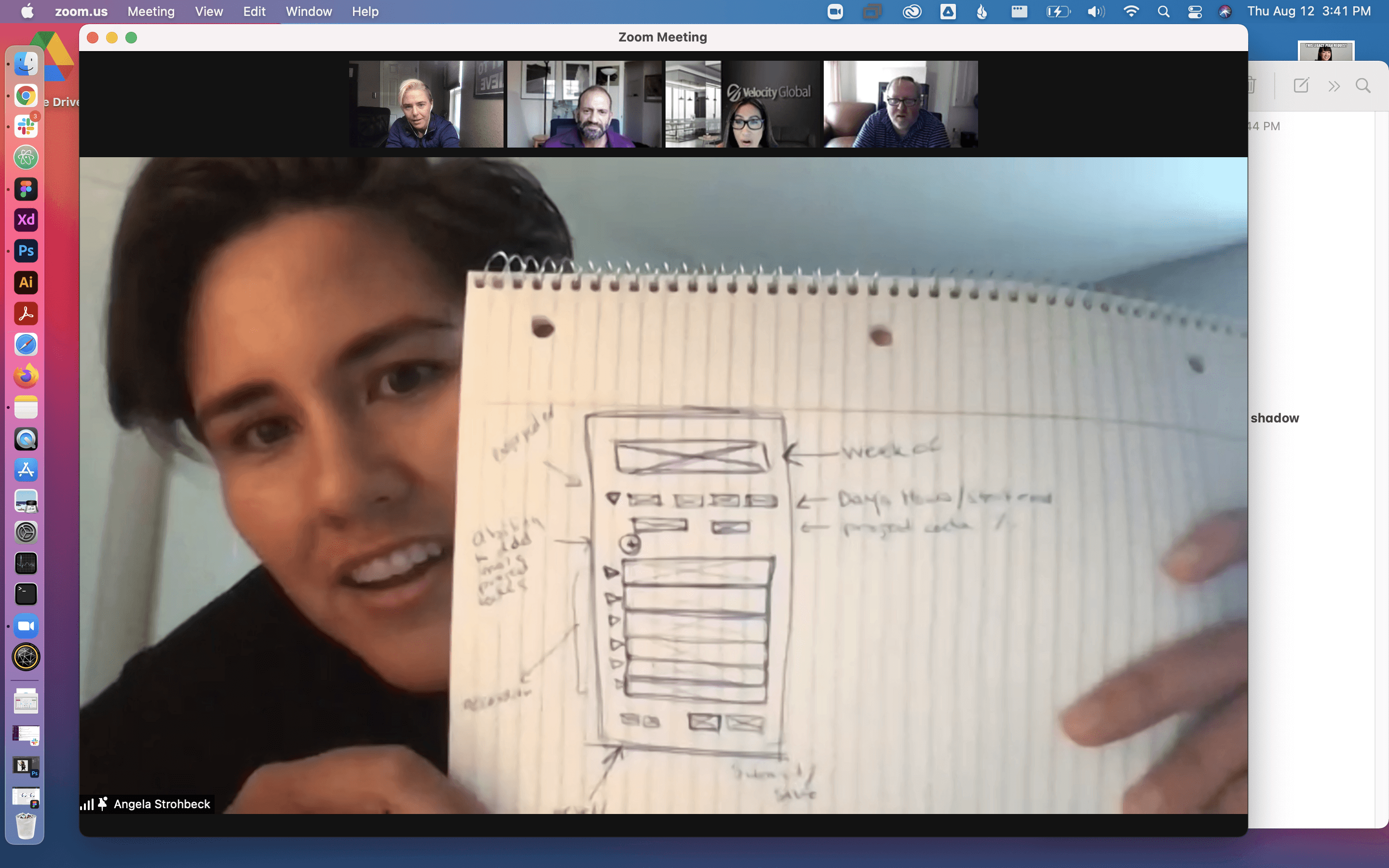
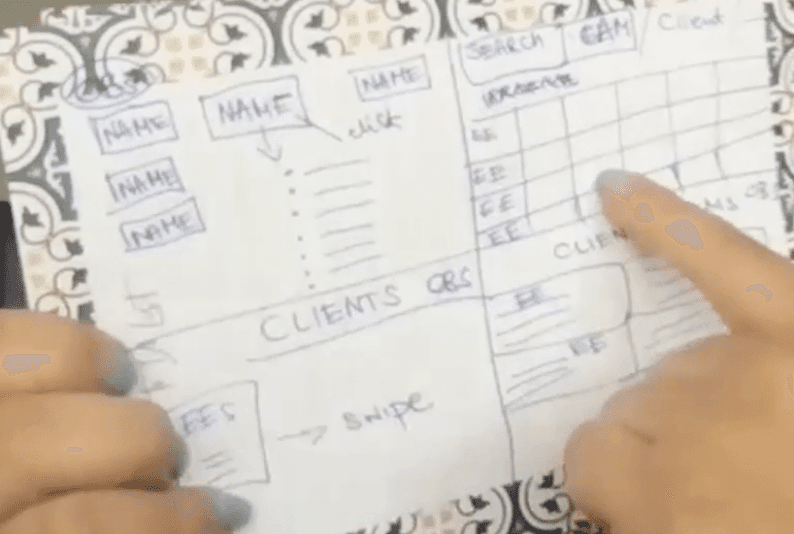
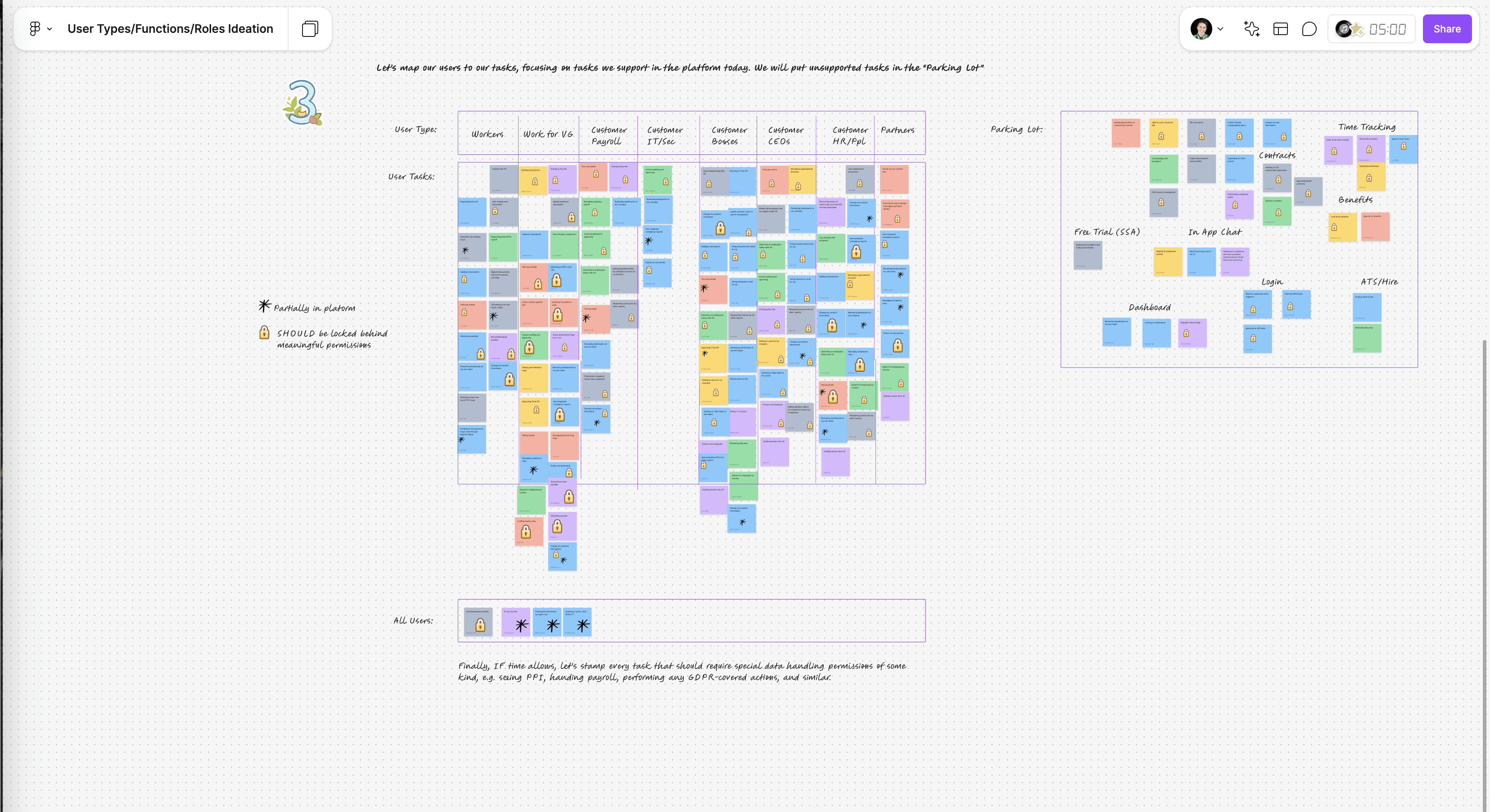
I ran more than 6 dedicated, completely cross-functional remote ideations using Miro, Whimsical, Lucidspark, and Figjam. I was able to get participation and support from Operations, Engineering, IT, Customer Success, and Support - primarily from ideation first-timers. Hearing and respecting these stakeholders ideas transformed skeptics into endorsers and was a powerful tool to evangelize UX across the entire company.
The Making Part
I worked continuously for the 7 months before release continuously iterating on all the core features of the Platform. I set up an early design system based in collaboration with Brand and I was off prototyping.
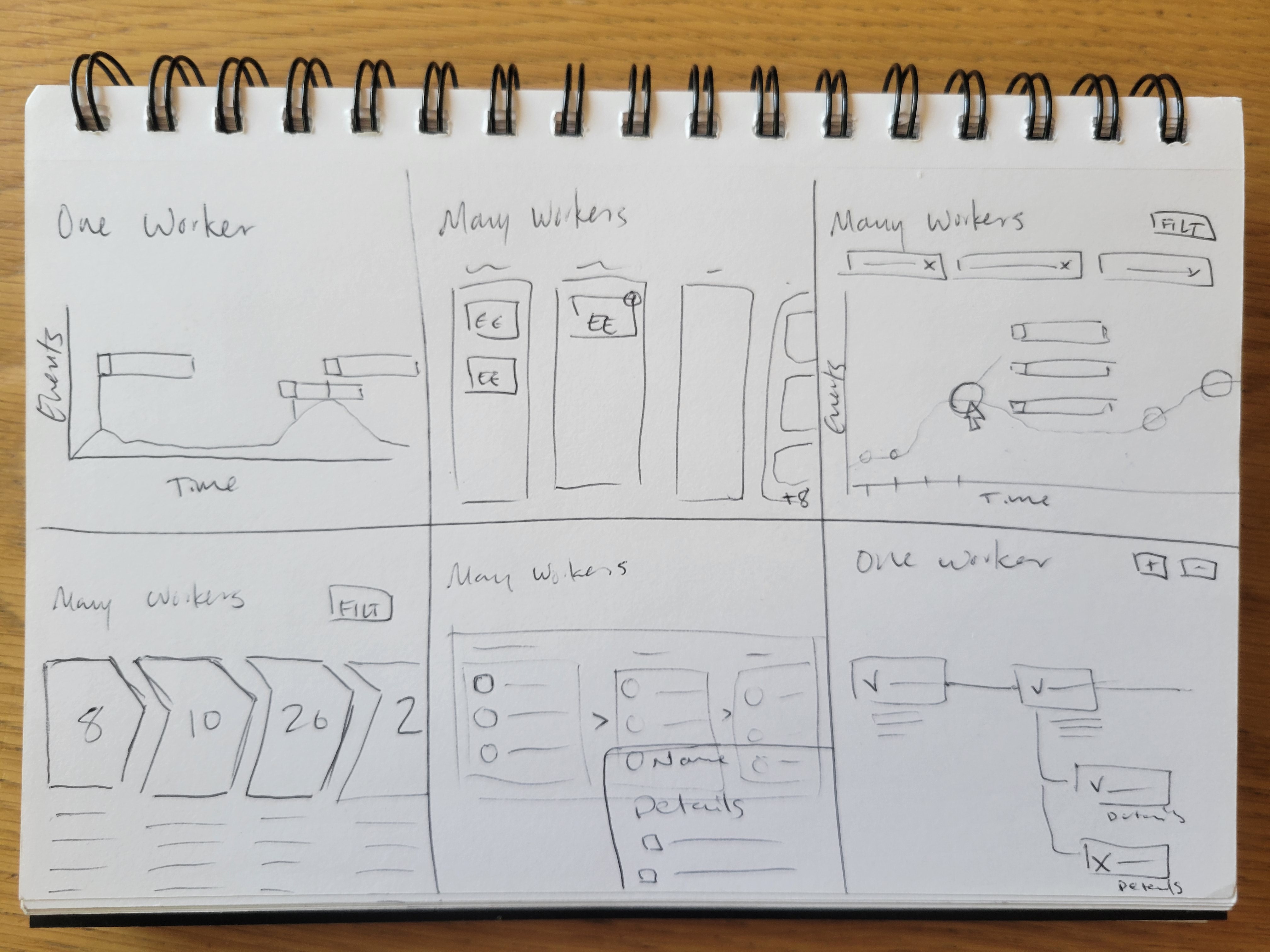
Early grayboxes helped explore core systems designs like roles and permissions and navigational schema got backend architects off and running while I worked day-to-day with frontend developers and contractors working European hours.
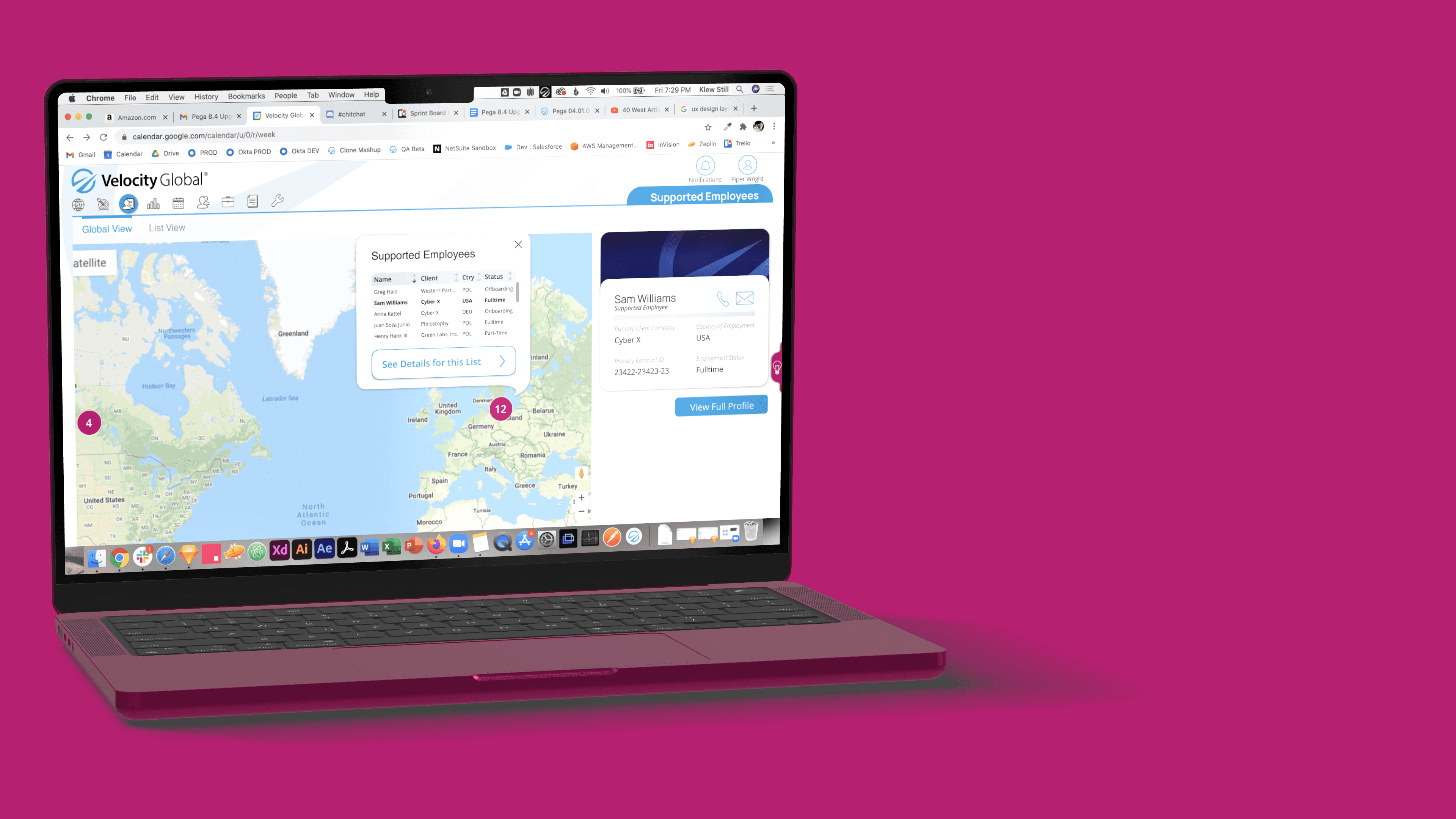
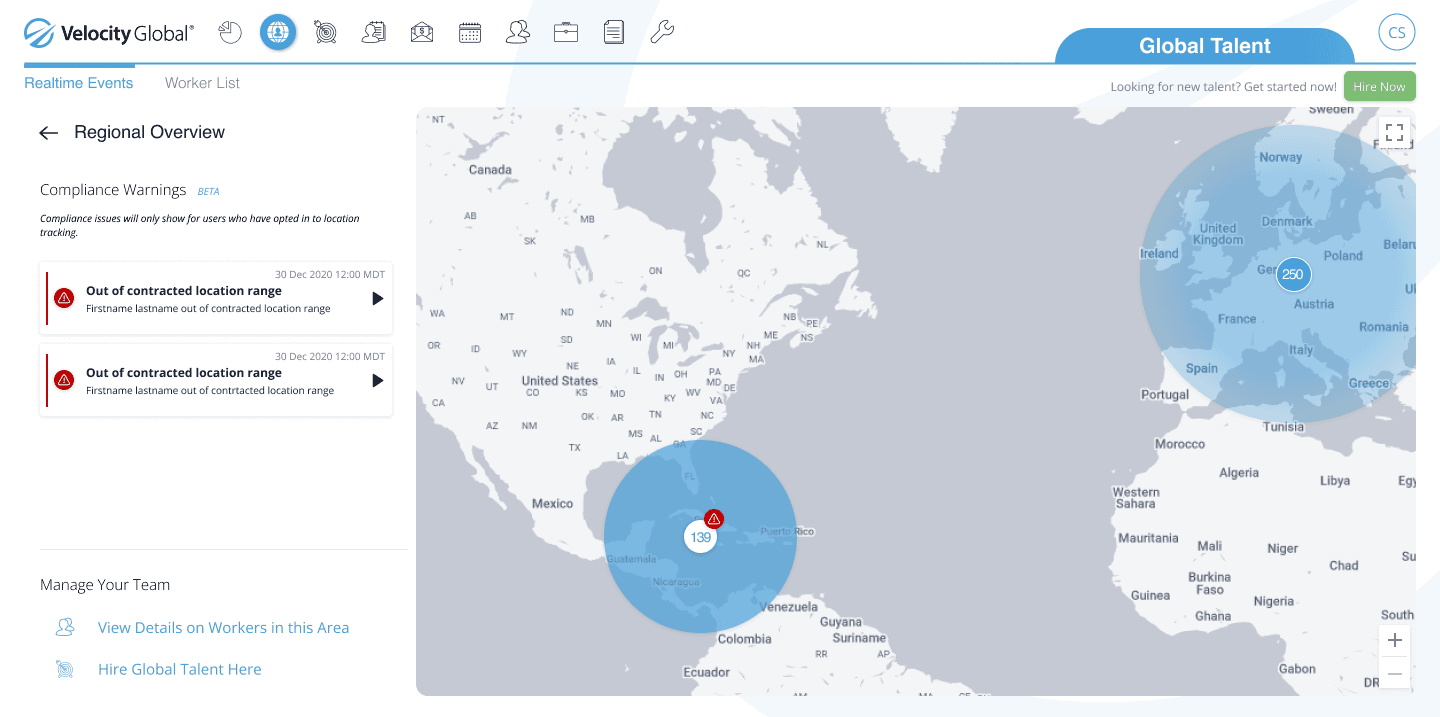
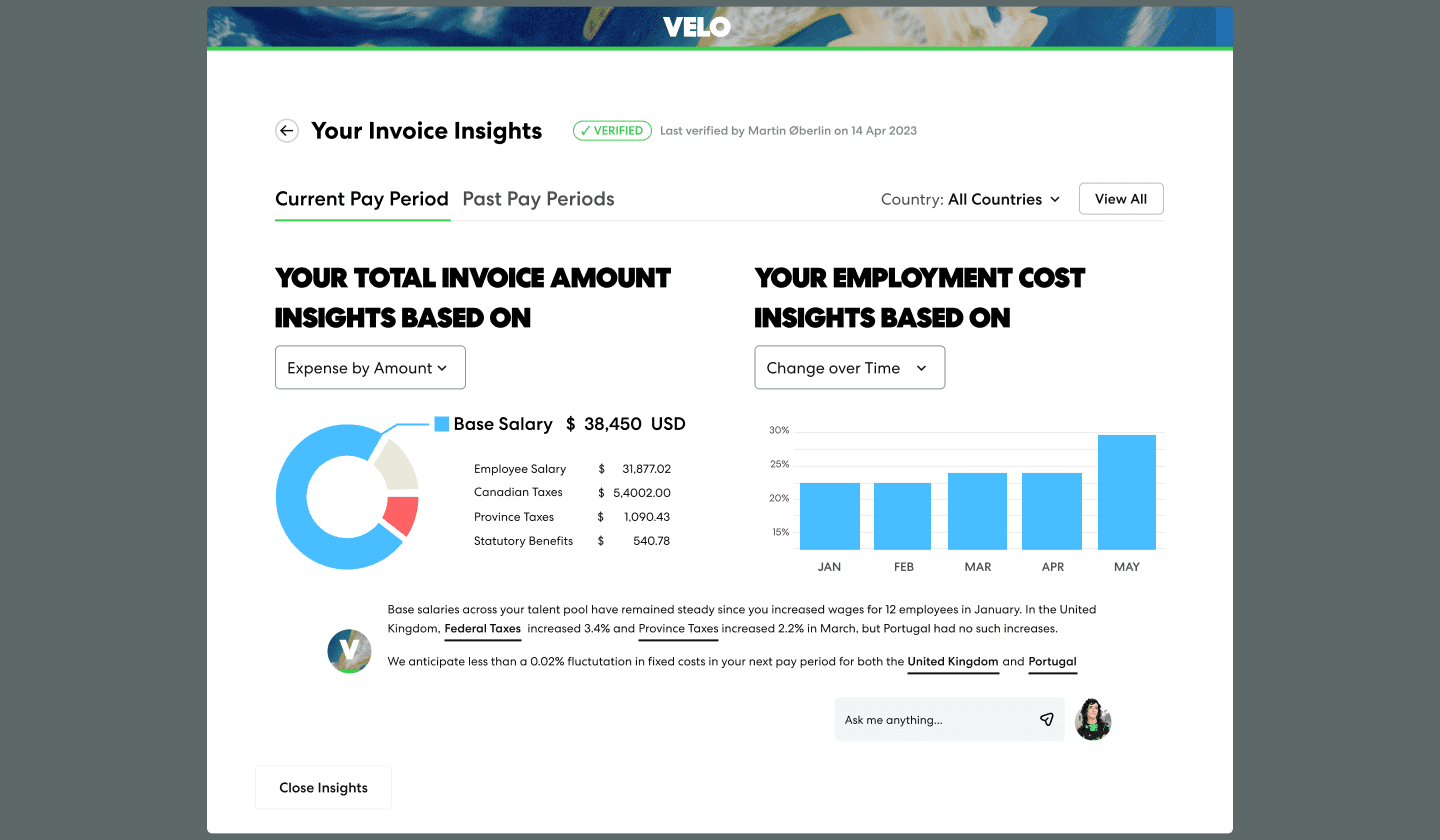
Our work was a continual iteration of design, constraint, implementation, design, descope, and reimplementation. During this time I explored, designed, and tested many of features that missed our initial MVP scope to be implemented or hackathoned in the following years: homepage, map-based reporting, profile pictures, multi-job support, enriched account management, in-app notifications, account settings, document preview, and more.
Key Features
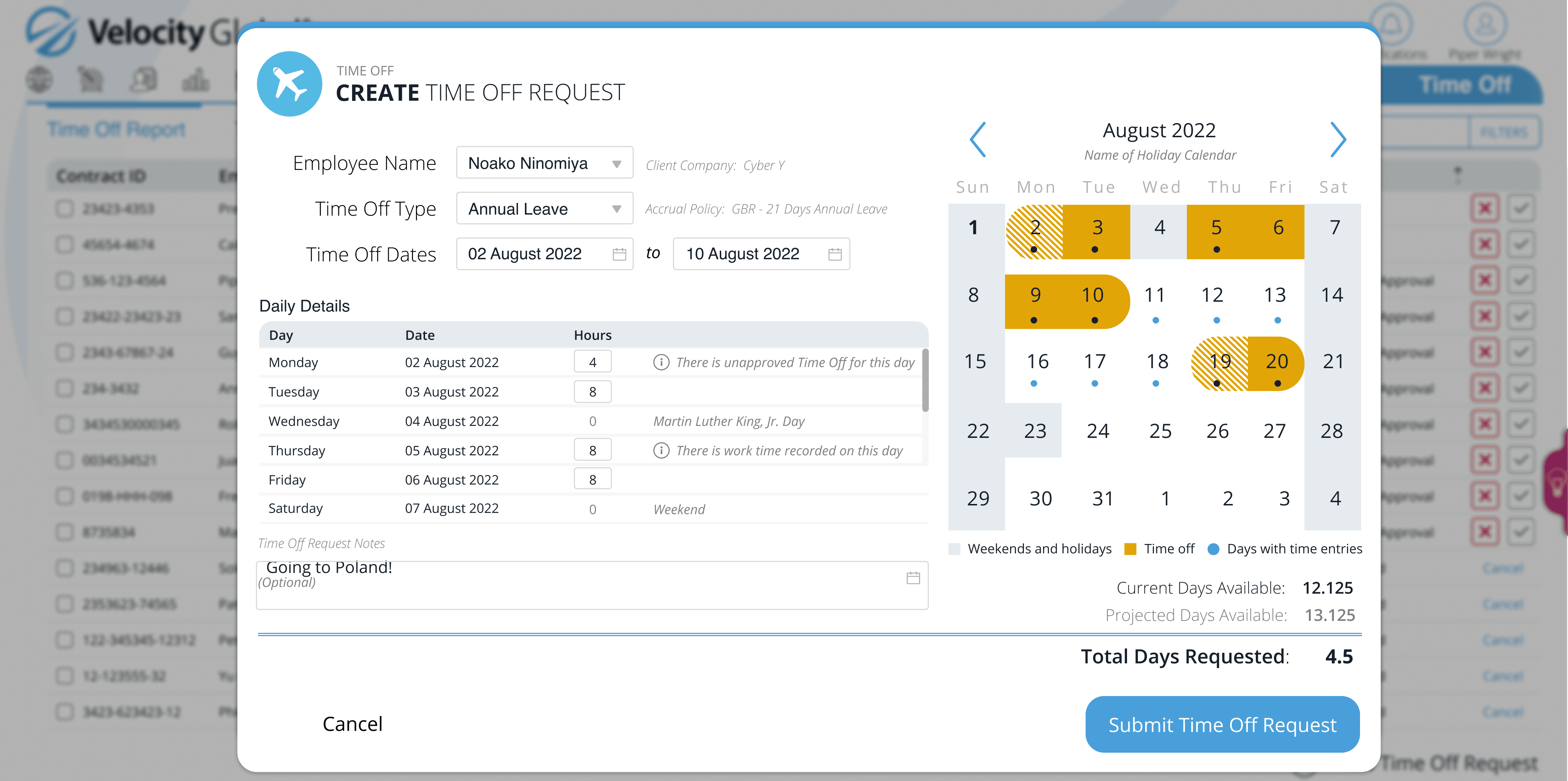
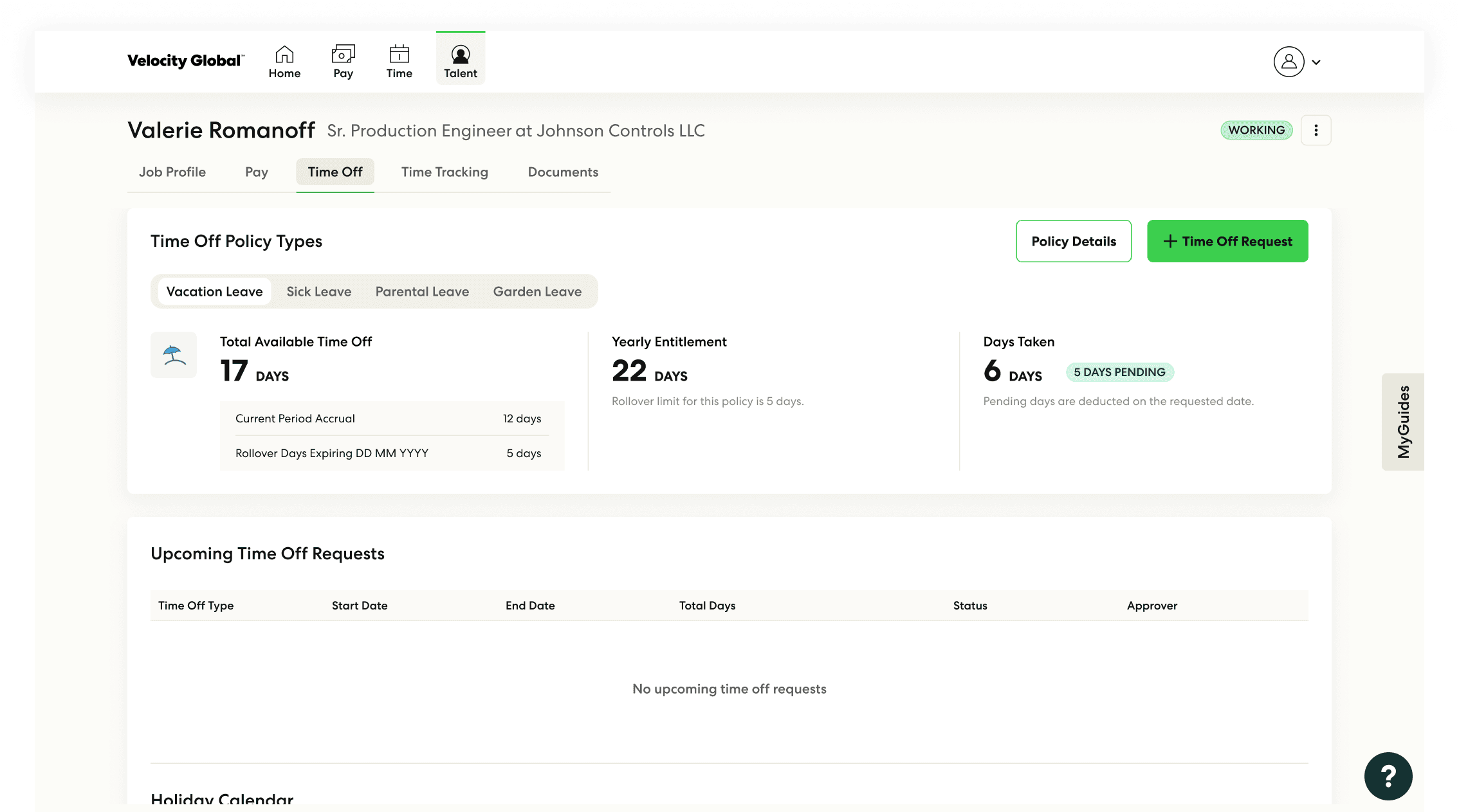
We had immediate global reach by launching in 135 countries
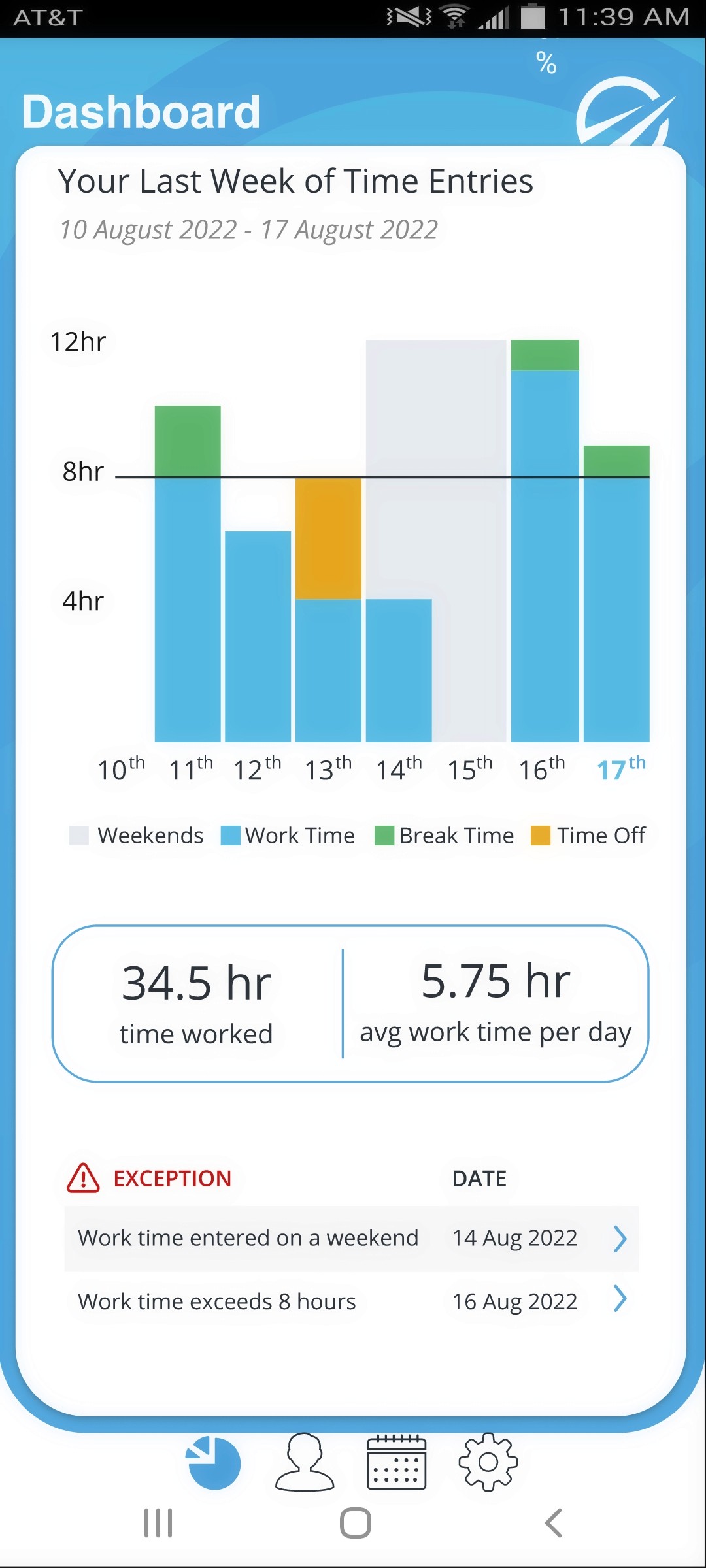
We supported 4 diverse personas in one web app
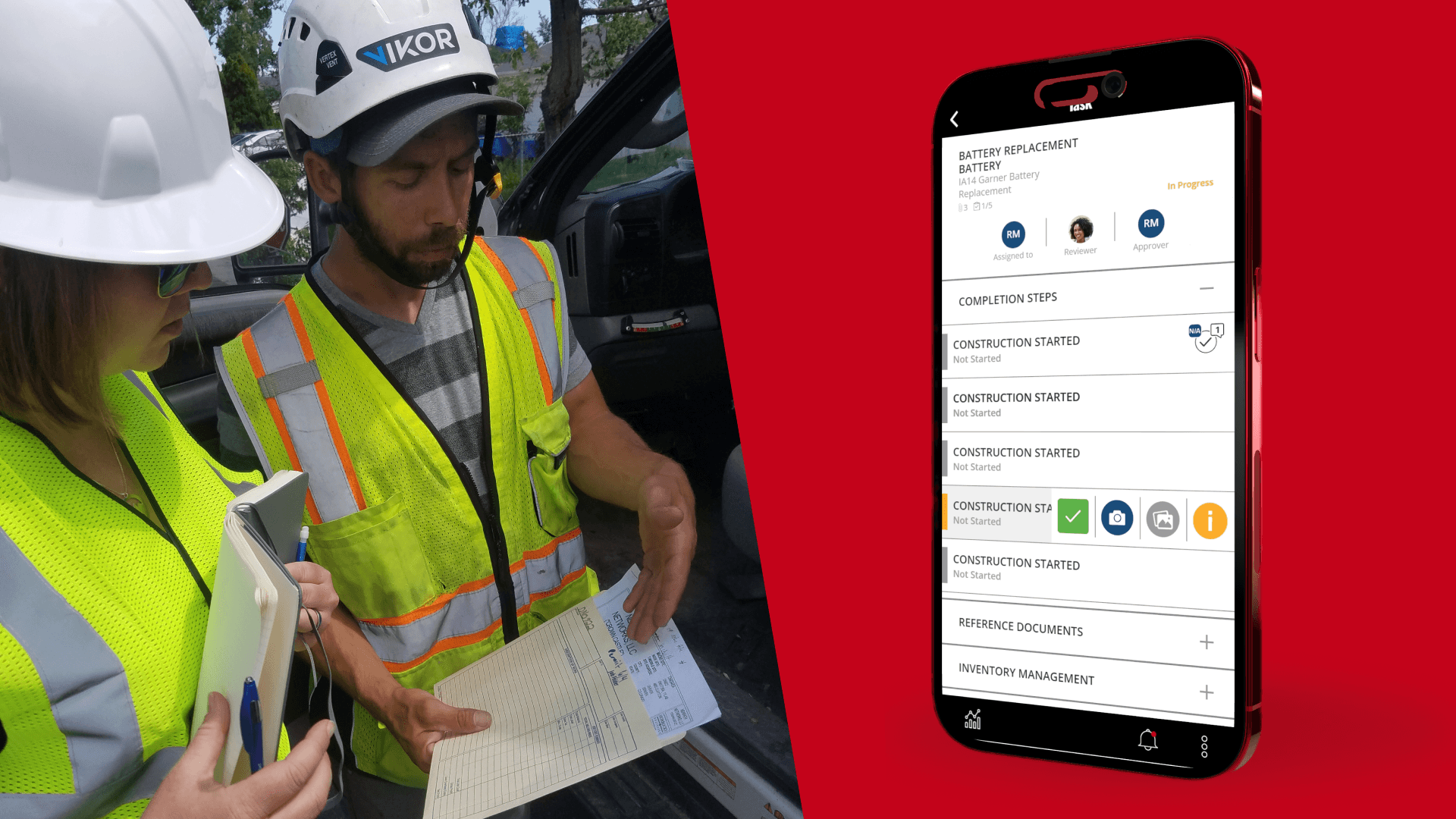
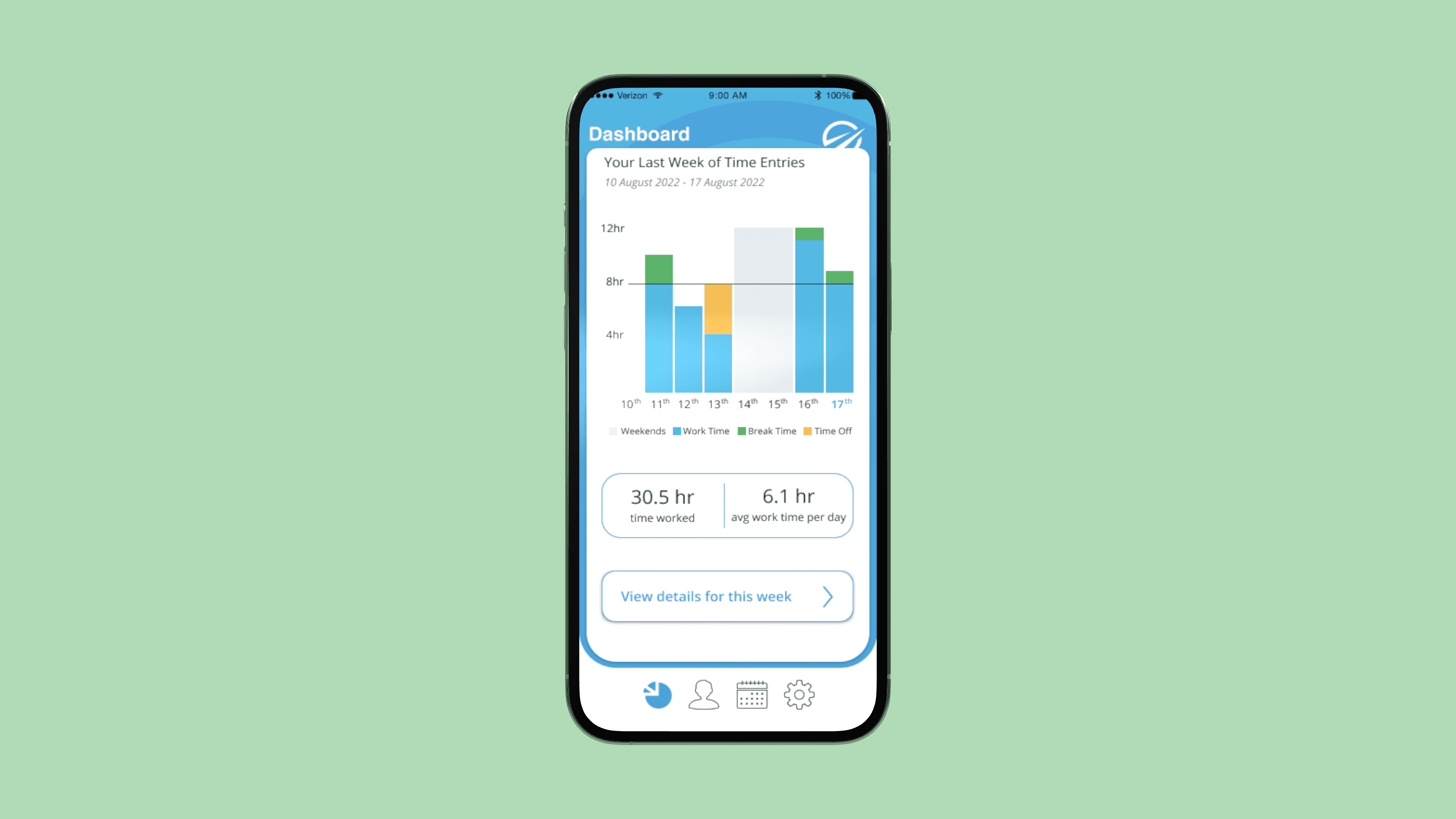
After initial web launch, we piloted a native mobile app
Continuous Prototyping
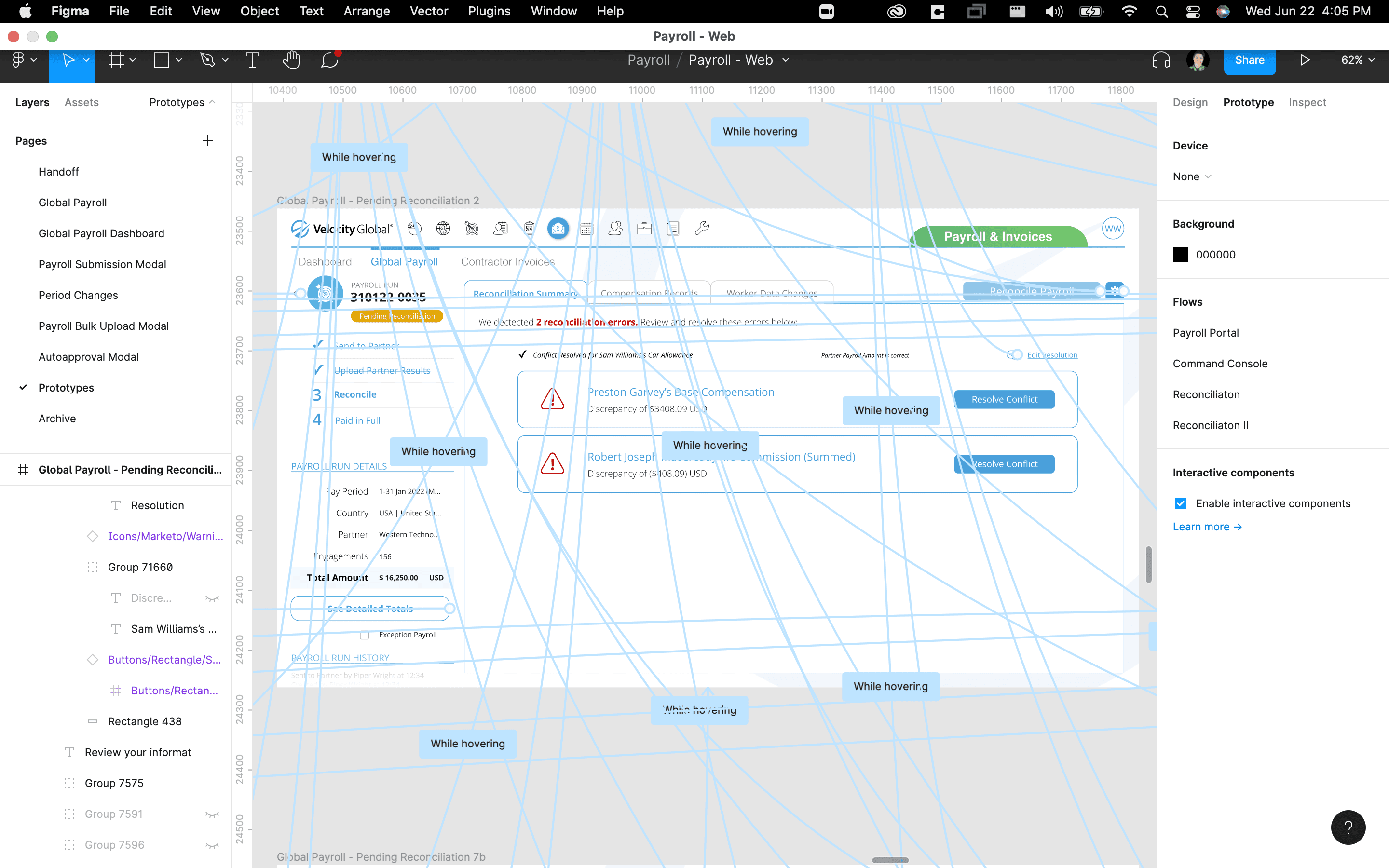
The most rigorous process for the Platform other than just the volume of design needed was the continuous prototype testing. With no UXR resources - people or software - I discovered, recruited, tested, documented, and analyzed more than 40 prototype tests.
Key insights in this process:
Navigational patterns and naming schemes
Data object architecture formation for key platform elements including Worker, Client, and Partner
Onboarding process steps, contents, and dependencies
Iterative Refinement
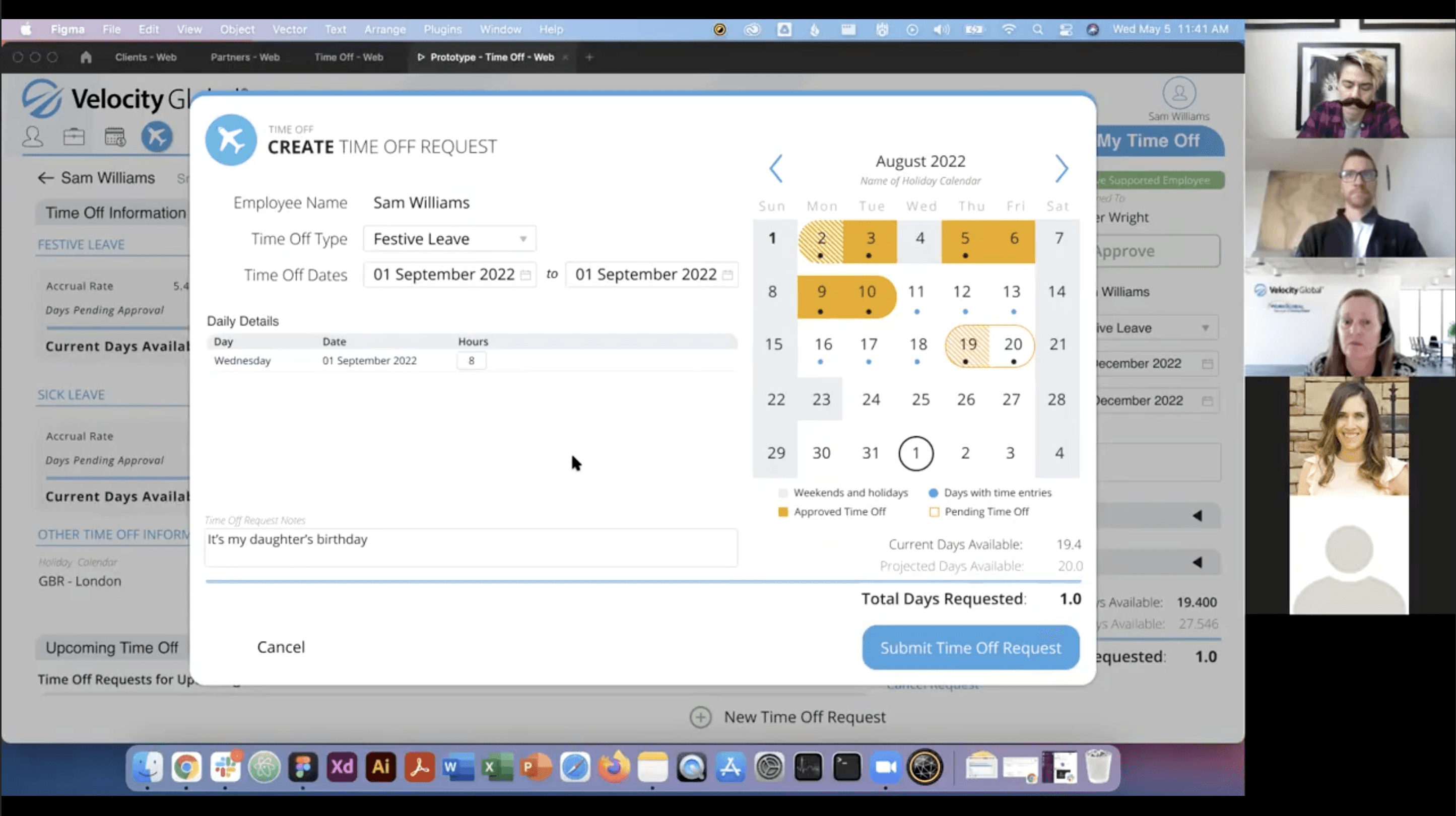
Post-testing design development happened in tandem with engineering work, sometimes day and night back to back, where I would handoff designs at the end of my day for a developer in another time zone to implement in my night-time, so that I could review the next morning!
One weakness of this project was the lack of time given to developing higher-fidelity work. Without a design team to co-work and critique UI and sufficient time to mature visual design, the implemented UI was weak and technologically inferior despite my frantic bug-catching. However…
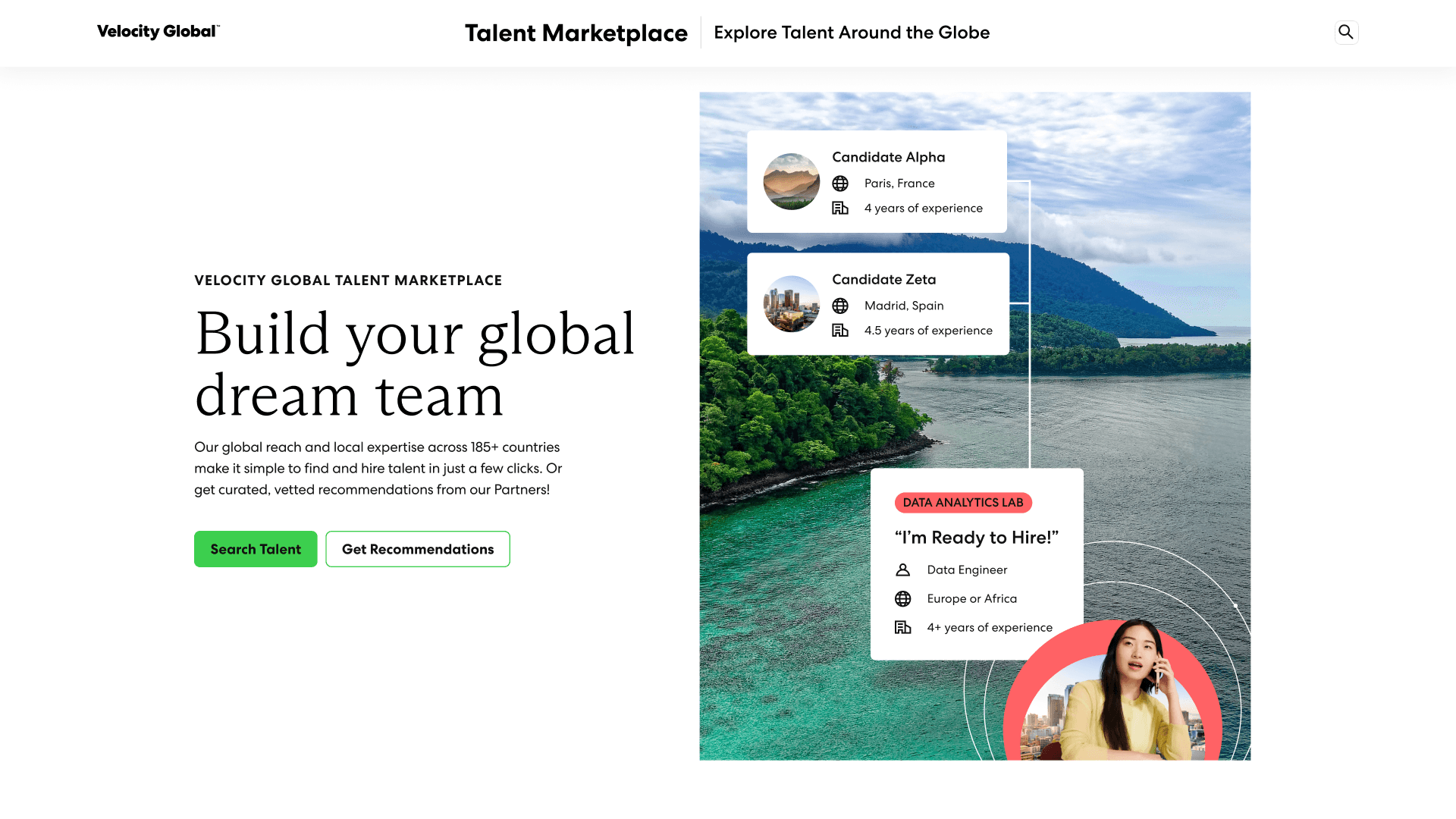
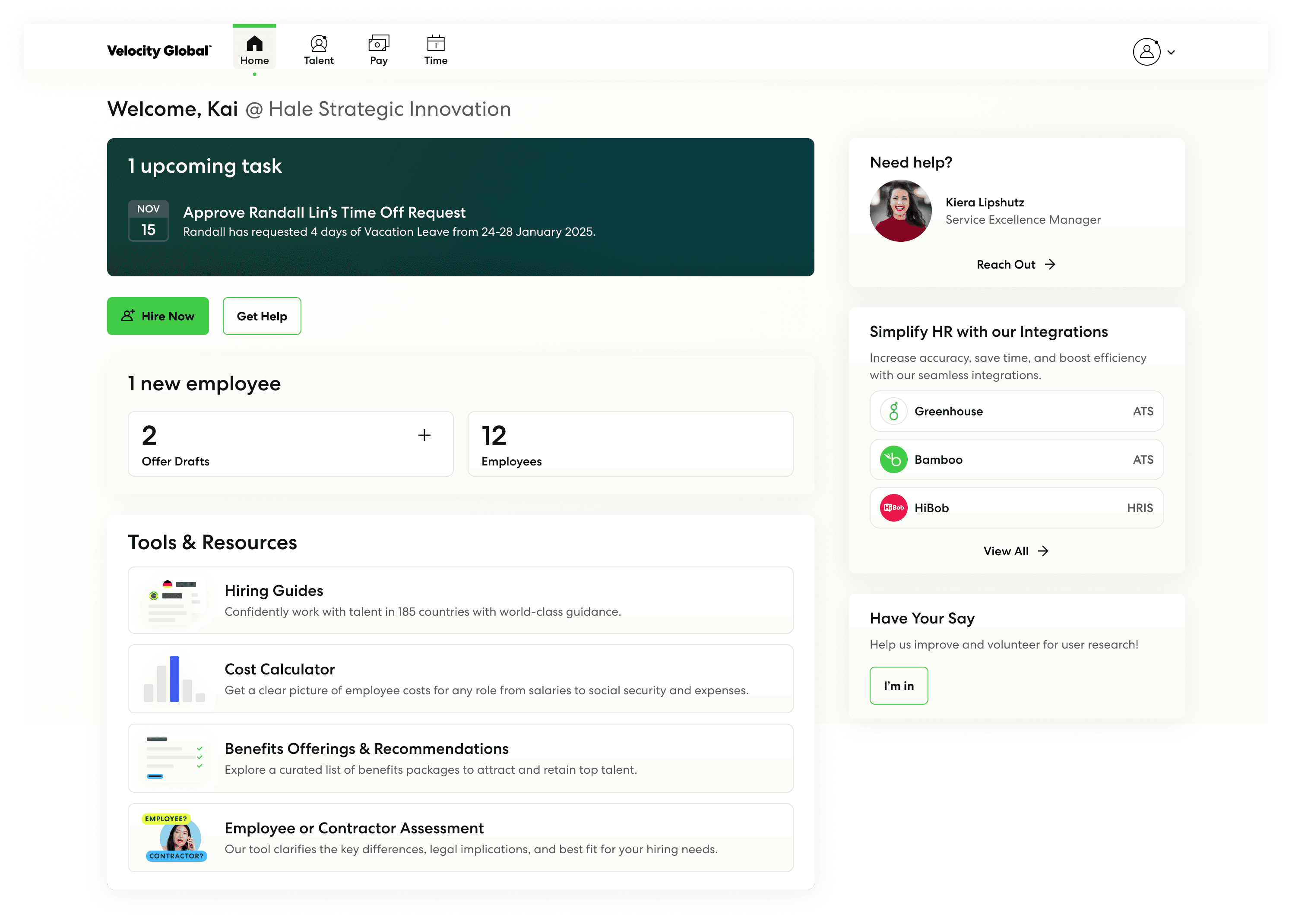
Launch and Beyond
See the Velocity Global Work Platform Trailer
When we launched on July 31, 2021 in a peri-Alpha stage with our visual patterns and components in a very immature state. Even though I busted more than 300 bugs for our first launch (in my role as lead QA), we still had piles of work to do after launch, including drastically refining the UI.
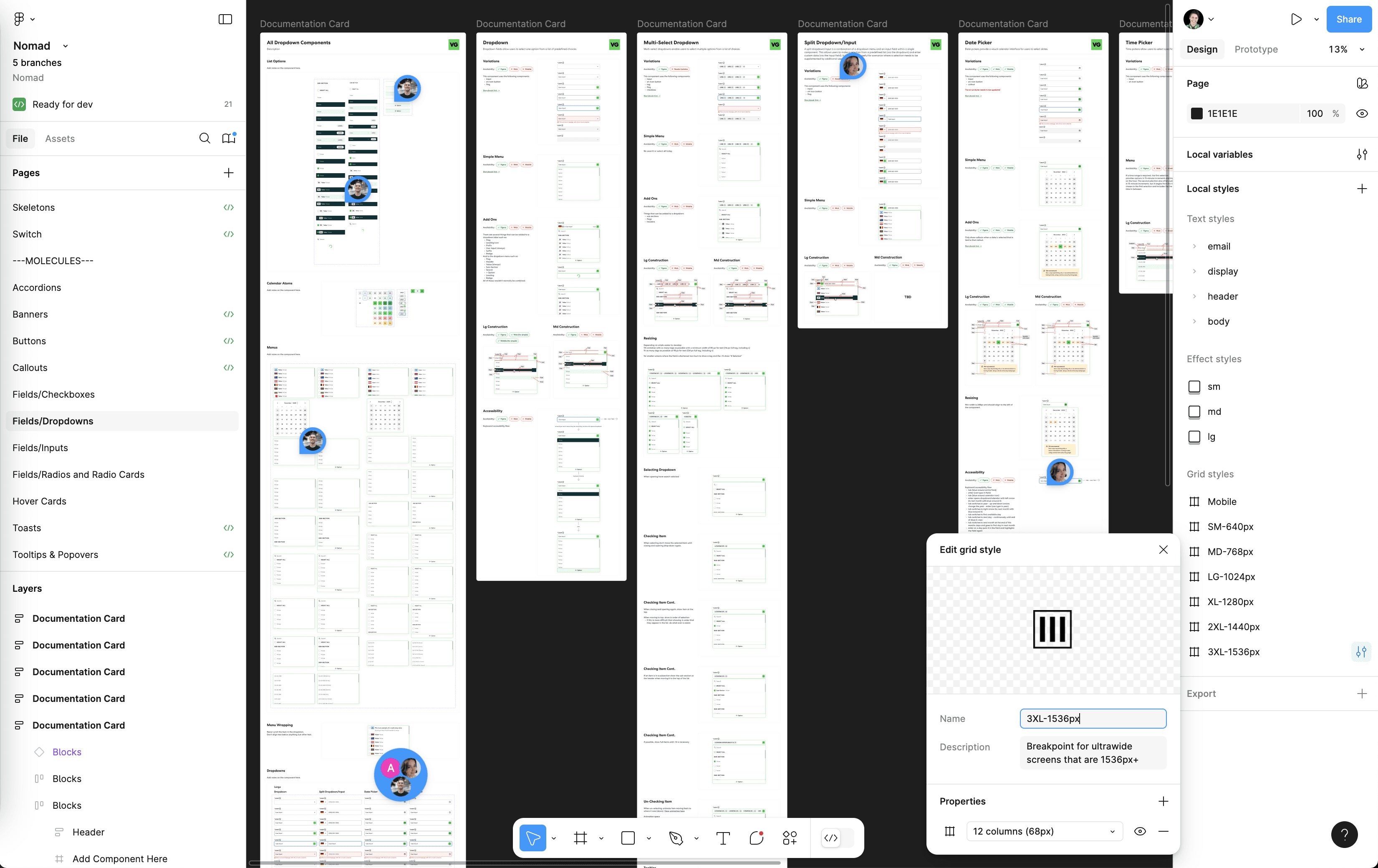
In 2022 I hired a team up of 7 designers and started our so-called Project Hatchling: another total transformation project, this time a complete re-Brand and a refresh on our navigation to optimize its real estate and click pattern. This was built on a brand new atomic design system we dubbed Nomad. We did this in just 6 weeks from start to finish - half under my management and half with a new VP of Design.
Throughout the delivery of Project Hatchling, we also continuously improved the performance and security of the application with GraphQL and Okta integration and layered in many originally cut quality-of-life features.
Measuring Our Success
ZERO priority one issues on launch
Users increased from 0 to 6,500 MAUs
Software launched in 135 countries
Customer technology NPS increased from 3 to 3.73
Software usability rating increased from 3.11 to 3.87
Managed Onboarding redesign to increase self-service rate to 99%
Lessons Learned
This total technology transformation was the most formative experience of my career so far. It was the first project of this scope and complexity I had handled myself and the first time I managed a team. Although it was an incontrovertible success that was a necessary step to continue our business, I'm filled with hundreds of ideas of what to do better in the future.
Here are my top 3:
Componentize ruthlessly. By the time Hatchling rolled around I truly saw the exponential value of investing in truly atomic components for quality, consistency, and speed.
Identify and push for what is REALLY important. I wish I had spoken more truth to power to our engineering leadership, who was scoping too loosely in the absence of a Product team. We wasted time on features that were half-baked and ultimately cut post-launch, like Onboarding chat and profile previews. This stole time for features we had to layer in later like document previews.
Under-design and over-iterate. Design is a means to an end, not the end in itself. What I learned from working so closely with number of software architects was to resist my instinct to overdesign and to iterate not towards quality with a fixed scope but scope with a fixed (and high) quality.
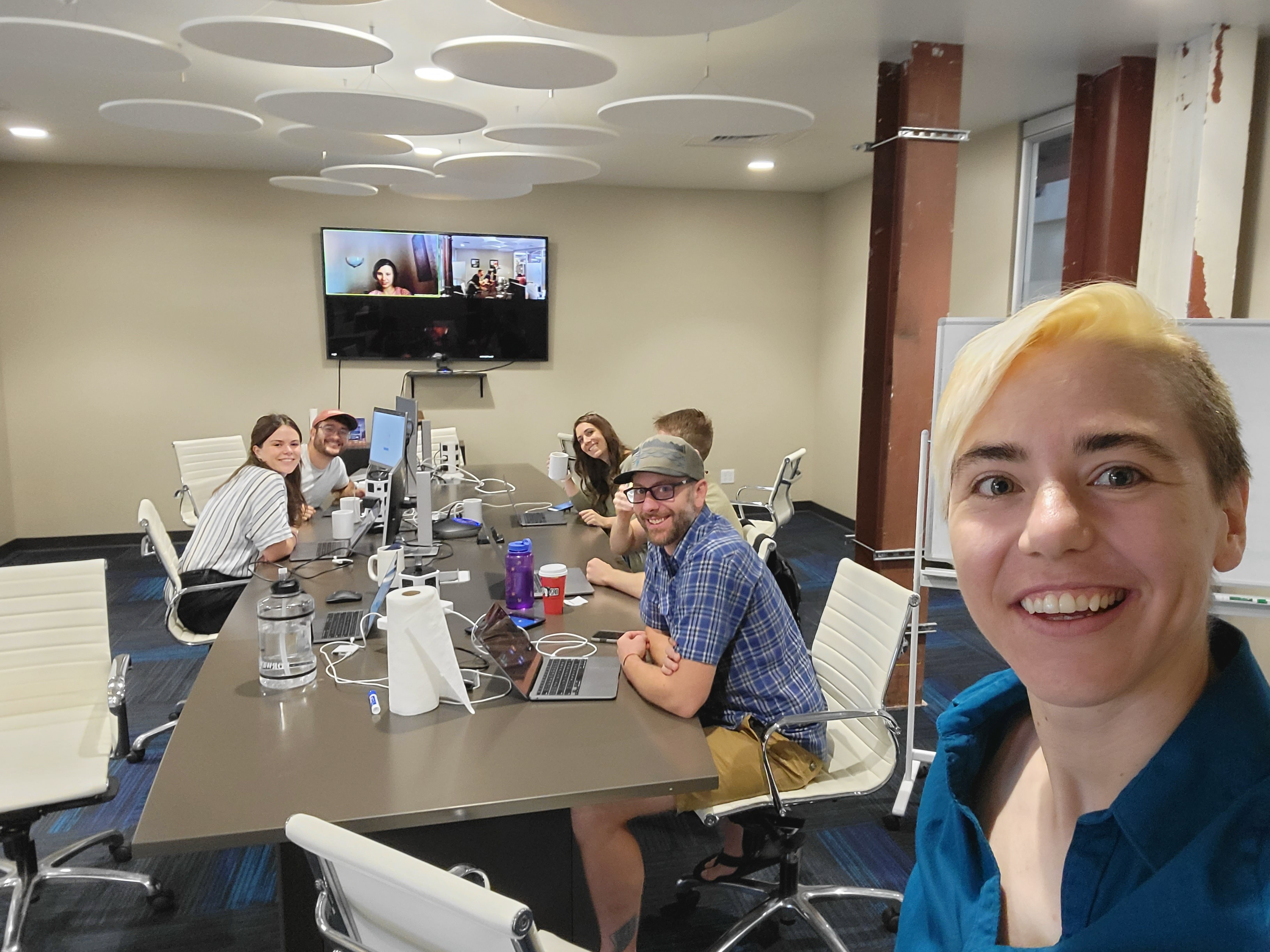
Want a Peek Behind the Curtain?
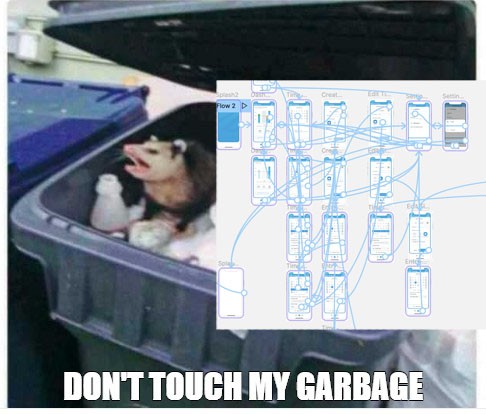
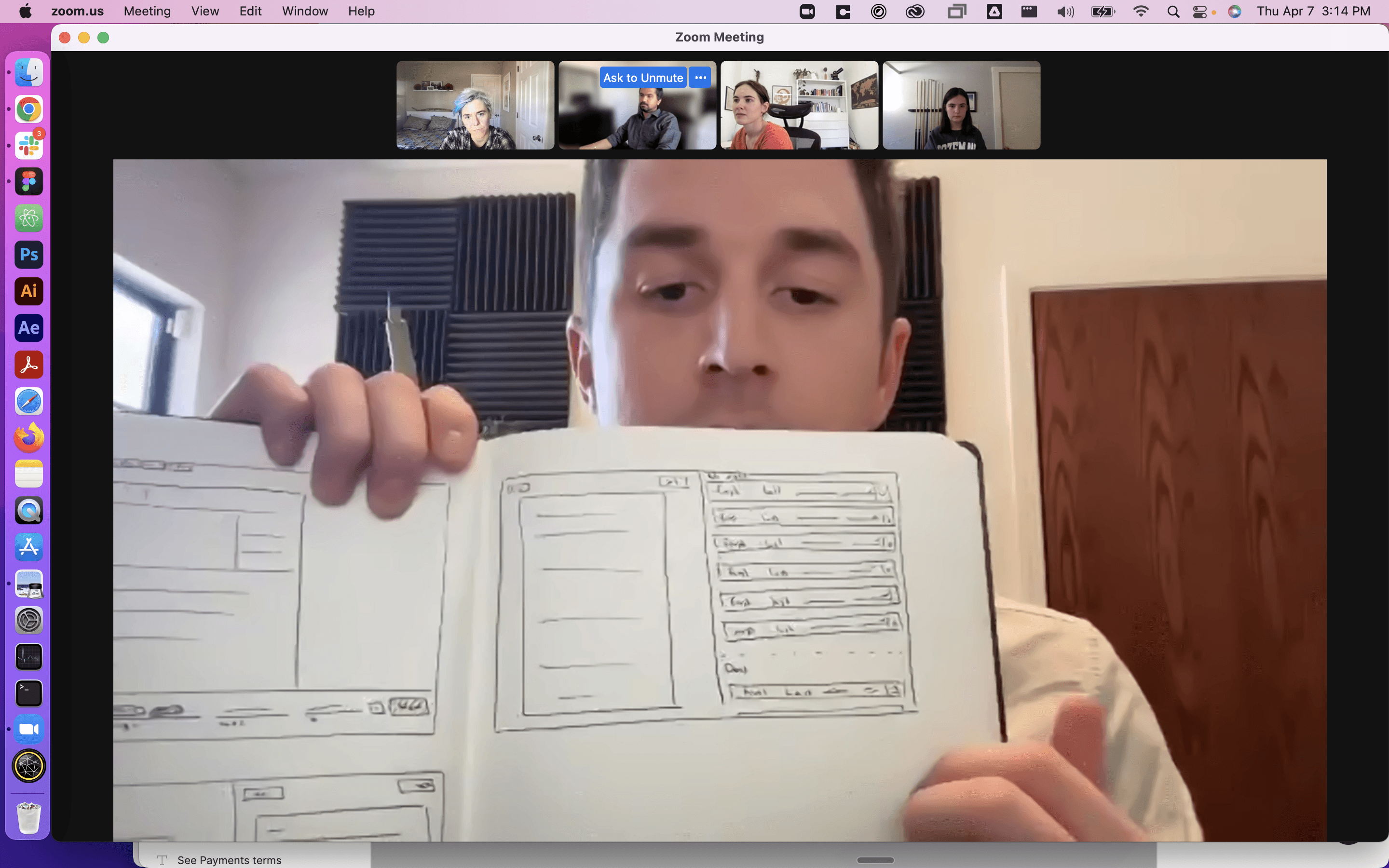
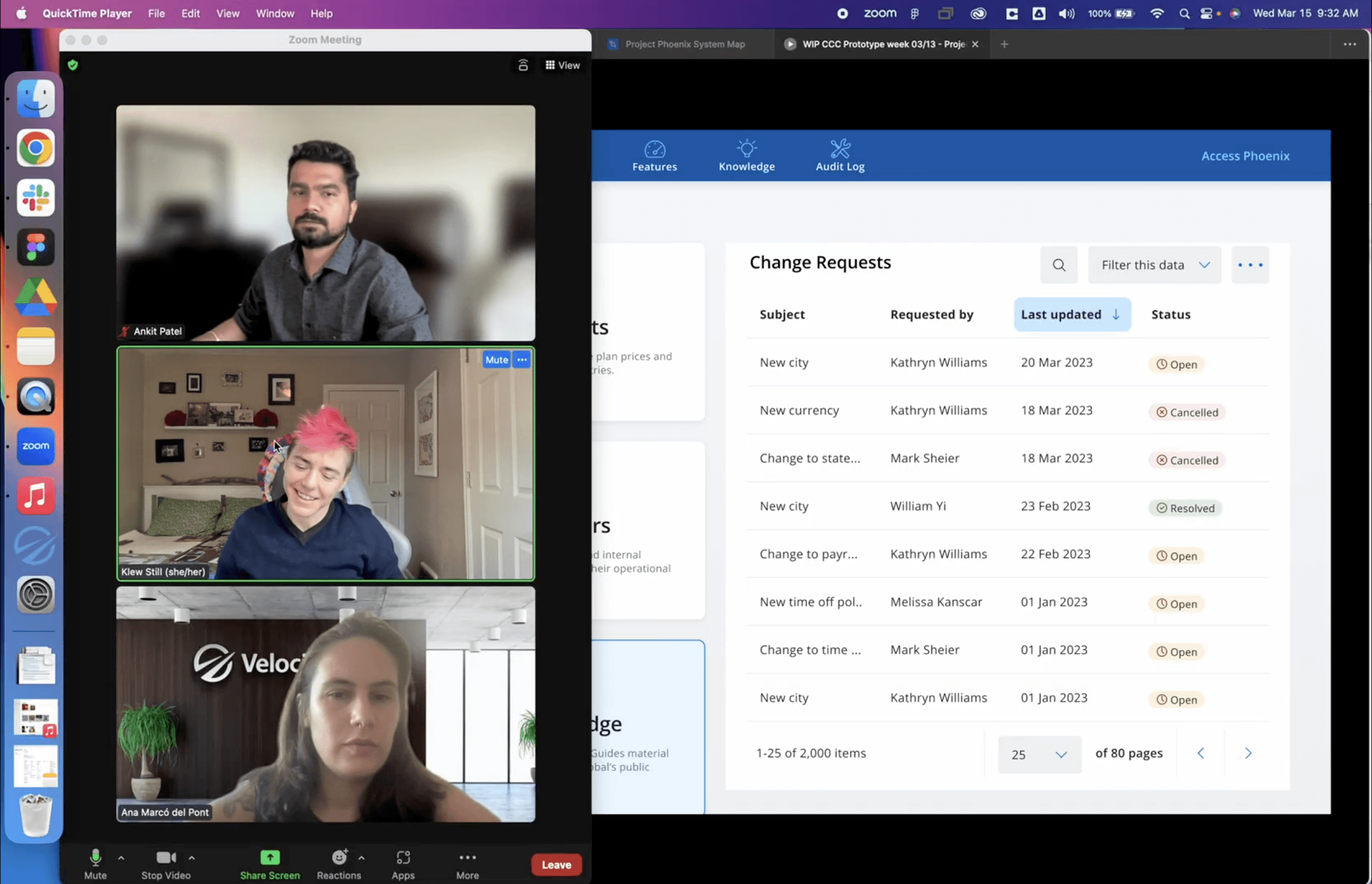
Check out these 'making of' pictures that capture our process, collaboration, and fun!